Discover the health benefits of valerian root tea for sleep, anxiety, menstrual cramps, menopause symptoms, and heart health. Learn how to brew it, possible side effects, and why this herbal tea is one of nature’s best remedies for relaxation.
In today’s modern world, where stress levels are high and restful sleep often feels like a luxury, natural remedies are making a big comeback. Among the most popular options for relaxation and wellness is valerian root tea, a calming herbal infusion made from the dried root of the Valeriana officinalis plant.
For centuries, valerian root has been used in traditional medicine as a natural sedative, earning it nicknames like “nature’s Valium.” But unlike synthetic drugs, valerian root tea works gently with the body to reduce stress, calm nerves, and improve sleep quality. With millions of people turning to herbal remedies, many are asking the same question: What exactly are the health benefits of valerian root tea, and is it worth adding to my wellness routine?
This article takes an in-depth look at everything you need to know about valerian root tea, from its history and key compounds to its wide range of health benefits, preparation methods, and safety tips. Whether you’re struggling with sleepless nights, daily stress, or menstrual cramps, you’ll learn why this earthy tea has stood the test of time.
What is Valerian Root Tea?
Valerian root tea is made by steeping the root of the Valeriana officinalis plant in hot water. Native to Europe and parts of Asia, valerian has been used for over 2,000 years as a medicinal herb. Ancient Greek and Roman physicians such as Hippocrates and Galen recommended valerian root for insomnia and anxiety, while medieval Europeans used it to calm the nervous system and even treat epilepsy.
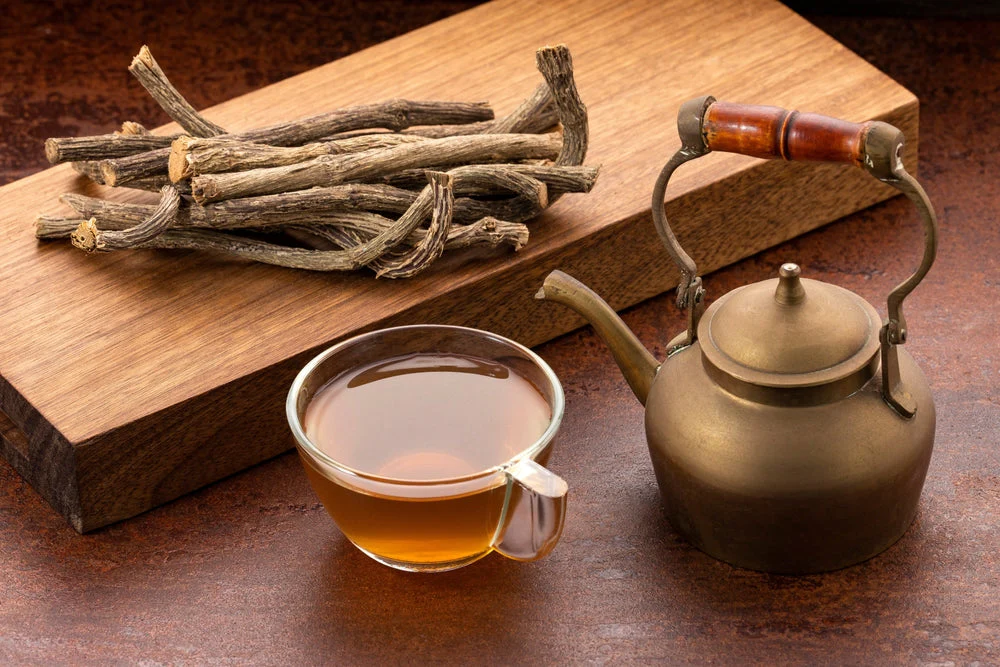
The Tea Junction – Valerian Root Tea
Unlike many herbal teas made from leaves or flowers, valerian root tea is brewed from the dried root itself. The result is a tea with a distinctive earthy, woodsy, and sometimes pungent taste. While the flavor may be strong, its health benefits are undeniable — particularly for those dealing with stress and sleep issues.
Today, valerian root tea is widely available in tea bags, loose root form, or blended with other herbs such as chamomile, lemon balm, or lavenderto enhance its taste and benefits.
The Active Compounds in Valerian Root
The reason valerian root tea is so effective lies in its unique chemical composition. The root contains a number of bioactive compounds that directly influence the central nervous system and promote relaxation. Key components include:
Valerenic Acid: The most studied compound in valerian root, valerenic acid interacts with GABA receptors in the brain. GABA (gamma-aminobutyric acid) is a neurotransmitter that calms nervous activity, helping reduce anxiety and promote sleep.
Isovaleric Acid: Known for its sedative and muscle-relaxing properties, it enhances the calming effect of the tea.
Antioxidants (such as linarin and hesperidin): These compounds protect the body from oxidative stress, which can worsen anxiety and disrupt sleep cycles.
Volatile Oils: Contribute to valerian root’s distinct aroma and are believed to enhance its therapeutic effects.
Together, these compounds explain why the health benefits of valerian root tea include deep relaxation, improved sleep, and stress reduction.
The Health Benefits of Valerian Root Tea
The popularity of valerian root tea is not just a passing wellness trend. Its benefits have been studied for decades, and many people swear by its calming, restorative effects. Here are the top health benefits of valerian root tea and why it remains a trusted herbal remedy.
1. Valerian Root Tea Improves Sleep Quality
Perhaps the most well-known benefit is its ability to promote restful sleep. Millions of people suffer from insomnia, irregular sleep patterns, or trouble staying asleep. Valerian root tea works as a gentle, natural sedative that reduces the time it takes to fall asleep and improves the overall quality of sleep.
Unlike pharmaceutical sleep aids, which can lead to grogginess and dependency, valerian root tea helps the body relax naturally. Drinking a warm cup about 30–60 minutes before bedtime signals to your body that it’s time to wind down.
Why it works: Valerenic acid increases GABA activity in the brain, slowing down nerve impulses and creating a sense of calm that transitions the body into sleep.
👉 For anyone struggling with restless nights, this is one of the most important health benefits of valerian root tea.
2. Reduces Anxiety and Stress
Another major benefit is its calming effect on anxiety and stress. In a world where overthinking and nervous tension are common, valerian root tea acts as a natural remedy for relaxation.
By influencing the nervous system, it reduces overactivity in the brain and helps ease racing thoughts. This makes valerian root tea useful not just for sleep, but also for managing daytime stress.
Best uses:
Before social events for those with mild social anxiety.
During stressful workdays to ease tension.
At night for people who struggle to quiet their minds.
When it comes to stress and anxiety management, the health benefits of valerian root tea make it one of the most reliable herbal teasavailable.
3. Eases Menstrual Cramps and PMS
Menstrual cramps and discomfort are often linked to uterine muscle contractions. Valerian root tea has natural antispasmodic properties that help relax smooth muscles, reducing cramping and pain during menstruation.
In addition, the calming properties may help with PMS symptoms like irritability, mood swings, and anxiety. Drinking valerian root tea before and during your period can provide natural relief without relying on heavy painkillers.
4. Supports Heart Health
Stress and poor sleep are two major contributors to cardiovascular problems. By helping the body relax and promoting better sleep, valerian root tea indirectly supports heart health. Some studies suggest that valerian’s calming effects may contribute to reduced blood pressureand improved circulation.
This makes heart support one of the lesser-known but valuable health benefits of valerian root tea.
5. Helps with Menopause Symptoms
Menopause often brings hot flashes, insomnia, and mood changes. Valerian root tea may help manage these symptoms by reducing nervous system overactivity and balancing stress hormones.
In some studies, women who consumed valerian root tea reported fewer hot flashes and better sleep quality. Combined with its stress-relieving effects, this makes valerian root tea an excellent natural companion during menopause.
6. Enhances Focus and Mental Clarity
When stress and anxiety are lowered, focus naturally improves. While valerian root tea is not a stimulant, its calming effects help reduce mental clutter, making it easier to concentrate on tasks.
This makes it especially useful for people who deal with anxiety-related brain fog or students looking for natural ways to reduce stress while studying.
7. Aids Digestion and Reduces Tension
Digestive issues are often tied to stress. Because valerian root tea relaxes muscles, it may also ease tension in the gastrointestinal tract, reducing bloating, stomach cramps, and indigestion.
This makes digestive comfort another one of the subtle but important health benefits of valerian root tea.
Valerian Root Tea vs. Other Herbal Teas
There are many herbal teas for sleep and relaxation, so how does valerian root tea compare?
Chamomile Tea: Gentle and floral, excellent for mild anxiety but less potent than valerian root tea for sleep.
Lavender Tea: Great for relaxation and stress relief, but again, not as strong for deep sleep.
Lemon Balm Tea: Excellent mood booster, often used for daytime stress but milder than valerian.
Valerian Root Tea: Stronger sedative effects, best for chronic insomnia or severe anxiety.
If you need mild daily relaxation, chamomile or lavender may be enough. But for deeper sleep support, the health benefits of valerian root tea make it the stronger choice.
How to Brew Valerian Root Tea
Brewing valerian root tea is simple, but because of its strong taste, many prefer blending it with other herbs.
Steps:
Use 1 teaspoon of dried valerian root per cup of water.
Boil water and pour over the root.
Steep for 10–15 minutes.
Strain and drink 30–60 minutes before bed.
Tips for better taste:
Blend with chamomile, peppermint, or lemon balm.
Add honey or a slice of lemon.
Avoid drinking before tasks that require alertness.
Side Effects and Precautions
While valerian root tea is generally safe, it’s important to be mindful of potential side effects:
May cause drowsiness if taken during the day.
Can cause headaches or vivid dreams in some people.
Should not be combined with alcohol, sedatives, or antidepressants.
Not recommended for pregnant or breastfeeding women.
Best used in cycles (a few weeks at a time) rather than daily for years.
Always consult your healthcare provider if you’re taking medication or have a chronic condition.
Who Should Drink Valerian Root Tea?
Ideal for:
People with insomnia or trouble staying asleep.
Those dealing with daily stress and anxiety.
Women experiencing menstrual cramps or PMS.
Menopausal women seeking natural relief.
Anyone looking for a natural alternative to synthetic sleep aids.
Not ideal for:
Pregnant or breastfeeding women (unless approved by a doctor).
People who need to stay alert immediately after drinking.
Conclusion
The health benefits of valerian root tea are numerous and well-supported by history, tradition, and modern research. From improving sleep and easing anxiety to relieving menstrual pain and supporting heart health, valerian root tea is one of the most powerful herbal teas you can include in your wellness routine.
Its earthy taste may take some adjustment, but the rewards are worth it. Whether blended with chamomile for extra calm or sipped on its own as a bedtime ritual, valerian root tea offers a natural path to relaxation, balance, and better health.
If you’re searching for a gentle yet effective way to unwind and sleep better, valerian root tea may be exactly what you need.
A graduate of Computer Science and Information Management Technology. Diploma – Caregiving, Certificates – Dementia and Diabetes Awareness and Management. A researcher, blogger, songwriter, singer and acoustic guitarist. Born in an environment where natural talents such as healing are imparted at our natural birth. This natural talents of healing is the result of our genetic inheritance and the training from family environment.
We use cookies on our website to give you the most relevant experience by remembering your preferences and repeat visits. By clicking “Accept All”, you consent to the use of ALL the cookies. However, you may visit "Cookie Settings" to provide a controlled consent.
This website uses cookies to improve your experience while you navigate through the website. Out of these, the cookies that are categorized as necessary are stored on your browser as they are essential for the working of basic functionalities of the website. We also use third-party cookies that help us analyze and understand how you use this website. These cookies will be stored in your browser only with your consent. You also have the option to opt-out of these cookies. But opting out of some of these cookies may affect your browsing experience.
Necessary cookies are absolutely essential for the website to function properly. These cookies ensure basic functionalities and security features of the website, anonymously.
Cookie
Duration
Description
cookielawinfo-checkbox-analytics
11 months
This cookie is set by GDPR Cookie Consent plugin. The cookie is used to store the user consent for the cookies in the category "Analytics".
cookielawinfo-checkbox-functional
11 months
The cookie is set by GDPR cookie consent to record the user consent for the cookies in the category "Functional".
cookielawinfo-checkbox-necessary
11 months
This cookie is set by GDPR Cookie Consent plugin. The cookies is used to store the user consent for the cookies in the category "Necessary".
cookielawinfo-checkbox-others
11 months
This cookie is set by GDPR Cookie Consent plugin. The cookie is used to store the user consent for the cookies in the category "Other.
cookielawinfo-checkbox-performance
11 months
This cookie is set by GDPR Cookie Consent plugin. The cookie is used to store the user consent for the cookies in the category "Performance".
viewed_cookie_policy
11 months
The cookie is set by the GDPR Cookie Consent plugin and is used to store whether or not user has consented to the use of cookies. It does not store any personal data.
Functional cookies help to perform certain functionalities like sharing the content of the website on social media platforms, collect feedbacks, and other third-party features.
Performance cookies are used to understand and analyze the key performance indexes of the website which helps in delivering a better user experience for the visitors.
Analytical cookies are used to understand how visitors interact with the website. These cookies help provide information on metrics the number of visitors, bounce rate, traffic source, etc.
Advertisement cookies are used to provide visitors with relevant ads and marketing campaigns. These cookies track visitors across websites and collect information to provide customized ads.