Is Pickled Herring Good for You? Nutrition, Benefits, and Risks Explained
“Is pickled herring good for you? Discover the surprising health benefits, nutrition facts, and possible risks of this traditional dish. Learn how it supports heart, brain, and gut health while fitting into a balanced diet.”
Why People Ask About Pickled Herring
Pickled herring has been a traditional dish in many European cultures for centuries. If you visit countries like Sweden, Poland, Germany, or the Netherlands, you’ll often find jars of herring preserved in vinegar, brine, or various spices sitting proudly on tables during festivals, holidays, and family gatherings. In some cultures, eating pickled herring at New Year’s is believed to bring good luck and prosperity.
But outside of those regions, many people wonder: Some see it as a nutritious seafood rich in omega-3 fats and protein, while others worry about the salt, sugar, and preservation process. The truth lies somewhere in between, and to understand whether it should be part of your diet, we need to look at its nutrition, health benefits, and potential risks in detail.
What Exactly Is Pickled Herring?
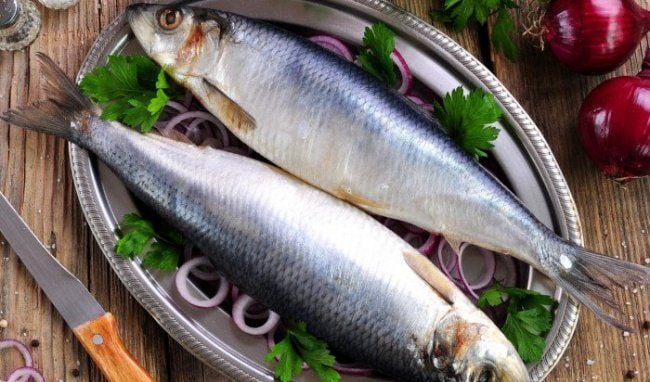
Pickled herring starts with fresh herring, a small, oily fish that lives in the North Atlantic and North Pacific oceans. Instead of eating it fresh or fried, people preserve it by soaking it in vinegar, brine, or a sweet-and-sour pickling mixture.
The pickling process usually involves:
Salt curing: The herring is first salted to remove moisture.
Pickling solution: It’s then stored in a mix of vinegar, onions, sugar, and spices like peppercorns, dill, and mustard seeds.
Aging: The fish absorbs these flavors over days or weeks, giving it a tangy, savory taste.
Different cultures prepare it differently:
In Sweden, “sill” is often eaten with potatoes, sour cream, and chives.
In the Netherlands, herring is sometimes eaten raw with onions, called “Hollandse Nieuwe.”
In Jewish cuisine, pickled herring is served at celebrations and holiday meals.
So, it’s important to remember that the preparation style matters a lot. Some versions are simple and light, while others are loaded with sugar or heavy cream.
Nutritional Profile of Pickled Herring
To really answer is pickled herring good for you, let’s look at the nutrition it provides. A typical 3-ounce (85-gram) serving contains:
Calories: ~210
Protein: 12–14 grams
Fat: 12–14 grams (with a large portion being heart-healthy omega-3 fatty acids)
Carbohydrates: 9–11 grams (from sugar or vinegar in the pickling solution)
Sodium: 700–900 mg (very high compared to many foods)
Vitamins and minerals: Excellent source of Vitamin D, Vitamin B12, and Selenium
Key nutrients:
Omega-3 fatty acids – essential for heart and brain health.
Vitamin B12 – supports red blood cells and nerve function.
Selenium – an antioxidantmineral that helps protect cells.
So, nutritionally speaking, pickled herring has both powerful benefits (healthy fats and vitamins) and some drawbacks (especially sodium and sugar).
Health Benefits
Now let’s expand on the benefits. Eating pickled herring can support your health in several ways:
Heart Health Support
Pickled herring is packed with omega-3 fatty acids, particularly EPA and DHA. These are the same healthy fats found in salmon and mackerel. Omega-3s are known to:
So if you’re asking is pickled herring good for you from a heart health perspective, the answer is yes—as long as you don’t overdo it because of the sodium.
Strong Bones and Vitamin D Boost
Unlike many foods, herring naturally contains high amounts of Vitamin D. This vitamin helps your body absorb calcium and strengthen bones. If you live in a place with long winters and little sunlight, eating herring could help reduce Vitamin D deficiency.
Brain Function and Mental Health
Vitamin B12 and omega-3 fatty acids are essential for brain function. Regular consumption of herring may help with:
That’s why older adults in some cultures swear by fish-rich diets for keeping the mind sharp.
Rich in Protein
Protein is essential for repairing tissues, building muscle, and supporting metabolism. A serving of pickled herring gives you over 12 grams of protein, which makes it a good snack or meal addition.
Antioxidant Protection
Herring contains selenium, which works as an antioxidant. This helps your body fight off oxidative stress, a factor linked to aging, chronic disease, and weaker immunity.
The Downsides: Risks of Eating Pickled Herring
No food is perfect, and while pickled herring has a lot of benefits, it also comes with some health concerns.
High Sodium Content
The biggest drawback is the salt. Pickling requires a salty brine, and as a result, pickled herring can pack nearly half of your daily sodium limit in just one serving. High sodium can:
So, if you’re on a low-sodium diet, you’ll need to be careful.
Added Sugar in Some Recipes
Some pickled herring recipes include sugar for balance. While not as high as desserts, this added sugar can still be a problem if you eat it regularly, especially for people managing blood sugar levelsor diabetes.
Food Safety and Histamine Issues
Fermented or preserved fish can sometimes lead to higher histamine levels, which may cause allergic reactions in sensitive people. That’s why it’s important to eat it fresh and from reliable sources.
Mercury Concerns
Fortunately, herring is a small fish, which means it has low mercury levels compared to tuna or swordfish. Still, if you’re eating it often, it’s wise to keep an eye on variety in your seafood choices.
Is Pickled Herring Good for Everyone?
The answer depends on your health needs and diet.
For healthy adults – Yes, it can be a nutritious addition if eaten in moderation.
For people with high blood pressure – It may be risky because of the sodium.
For pregnant women – Generally safe in moderate amounts, but always choose high-quality products to avoid foodborne bacteria.
For people with diabetes – Check labels carefully for added sugar.
So, is this fish good? It can be—if you balance it with other foods and stay mindful of the salt and sugar.
How to Eat Pickled Herring the Healthy Way
If you’d like to include pickled herring in your diet without the risks, here are some practical tips:
Portion control: Stick to a small serving (about 2–3 ounces).
Pair wisely: Eat it with boiled potatoes, rye bread, or fresh veggies to balance the saltiness.
Choose lighter versions: Look for brands with less added sugar and lower sodium.
Make your own: Homemade pickled herring gives you control over the salt and sugar levels.
Don’t eat it daily: Enjoy it as a treat or part of a balanced seafood rotation with salmon, sardines, or trout.
Cultural Significance of Pickled Herring
Pickled herring isn’t just about nutrition—it’s about tradition. Across Europe, it holds symbolic meaning:
In Poland and Germany, eating herring on New Year’s Eve is believed to bring prosperity.
In Sweden, herring is part of the traditional “smörgåsbord.”
In Jewish tradition, herring is served at weddings, Shabbat, and holiday gatherings.
So when you ask is pickled herring good, remember it’s not just about health—it’s also about cultural heritage and joy around the table.
Final Verdict: Is Pickled Herring Good for You?
The final answer is: Yes, pickled herring can be good for you, but only in moderation.
It’s a nutrient-rich fish loaded with omega-3s, Vitamin D, and protein. It supports heart health, brain function, and strong bones. However, the high sodium and occasional added sugar mean you shouldn’t eat it every day.
If you enjoy it occasionally, especially as part of a balanced diet with fresh vegetables and whole grains, pickled herring can be both a delicious tradition and a healthful choice.
So the next time you’re standing in front of a jar of pickled herring wondering, —you can confidently say: Yes, it is, as long as you enjoy it smartly and in balance.
A graduate of Computer Science and Information Management Technology. Diploma – Caregiving, Certificates – Dementia and Diabetes Awareness and Management. A researcher, blogger, songwriter, singer and acoustic guitarist. Born in an environment where natural talents such as healing are imparted at our natural birth. This natural talents of healing is the result of our genetic inheritance and the training from family environment.
We use cookies on our website to give you the most relevant experience by remembering your preferences and repeat visits. By clicking “Accept All”, you consent to the use of ALL the cookies. However, you may visit "Cookie Settings" to provide a controlled consent.
This website uses cookies to improve your experience while you navigate through the website. Out of these, the cookies that are categorized as necessary are stored on your browser as they are essential for the working of basic functionalities of the website. We also use third-party cookies that help us analyze and understand how you use this website. These cookies will be stored in your browser only with your consent. You also have the option to opt-out of these cookies. But opting out of some of these cookies may affect your browsing experience.
Necessary cookies are absolutely essential for the website to function properly. These cookies ensure basic functionalities and security features of the website, anonymously.
Cookie
Duration
Description
cookielawinfo-checkbox-analytics
11 months
This cookie is set by GDPR Cookie Consent plugin. The cookie is used to store the user consent for the cookies in the category "Analytics".
cookielawinfo-checkbox-functional
11 months
The cookie is set by GDPR cookie consent to record the user consent for the cookies in the category "Functional".
cookielawinfo-checkbox-necessary
11 months
This cookie is set by GDPR Cookie Consent plugin. The cookies is used to store the user consent for the cookies in the category "Necessary".
cookielawinfo-checkbox-others
11 months
This cookie is set by GDPR Cookie Consent plugin. The cookie is used to store the user consent for the cookies in the category "Other.
cookielawinfo-checkbox-performance
11 months
This cookie is set by GDPR Cookie Consent plugin. The cookie is used to store the user consent for the cookies in the category "Performance".
viewed_cookie_policy
11 months
The cookie is set by the GDPR Cookie Consent plugin and is used to store whether or not user has consented to the use of cookies. It does not store any personal data.
Functional cookies help to perform certain functionalities like sharing the content of the website on social media platforms, collect feedbacks, and other third-party features.
Performance cookies are used to understand and analyze the key performance indexes of the website which helps in delivering a better user experience for the visitors.
Analytical cookies are used to understand how visitors interact with the website. These cookies help provide information on metrics the number of visitors, bounce rate, traffic source, etc.
Advertisement cookies are used to provide visitors with relevant ads and marketing campaigns. These cookies track visitors across websites and collect information to provide customized ads.