10 Foods to Eat for Breakfast When You Have a Stomach Ulcer
10 Foods to Eat for Breakfast When You Have a Stomach Ulcer
Discover 10 calming breakfast foods to soothe stomach ulcer pain and rebuild your stomach lining naturally. Learn what to eat first thing in the morning to stop acid burn with My Emerald Health.
Picture this. You wake up, the room is quiet, and before your feet even touch the floor, you feel it—that gnawing, burning ache right in the center of your chest or upper abdomen.
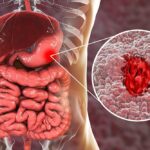
For millions of people living with a stomach ulcer, mornings aren’t a fresh start. They’re a countdown. Over the night, while you slept, your stomach sat empty, accumulating gastric acid with nothing to digest. The moment you wake up, that acid comes into direct contact with the sensitive, inflamed lining of your stomach wall.
It feels like trying to put out a fire with gasoline if you choose the wrong breakfast. A single cup of coffee, an orange juice, or a piece of greasy bacon can send sharp, agonizing pain straight through your body, ruining the rest of your day before it even begins.
But here’s the good news—and what most people don’t realize: the morning is also your greatest window of opportunity. The right foods don’t just fill your stomach; they act as a biological bandage. They coat the mucosal lining, neutralize excess acid, and active compounds inside them actually begin the cellular repair of the ulcer itself.
Welcome back to My Emerald Health, your trusted home for practical, science-backed wellness solutions. Today, we’re breaking down the ten best breakfast foods for stomach ulcers—foods specifically chosen to calm the burn, suppress harmful bacteria, and help your stomach heal while you eat. Stick around until number seven, because it contains a hidden amino acid that researchers have called one of nature’s most potent natural ulcer treatments.
Let’s dive in.
Starting our list at number one is a classic, humble breakfast giant: plain, warm oatmeal.
When you have an ulcer, your stomach lining needs a physical barrier between its delicate tissues and corrosive gastric juices. Oatmeal is exceptionally high in a special type of soluble fiber called beta-glucan. As oatmeal cooks, it forms a soft, gelatinous texture. When ingested on an empty stomach, this soft fiber coats the stomach wall like a protective gel, absorbing free-floating stomach acid and preventing direct irritation.
A quick tip for My Emerald Health viewers: avoid instant flavored packets loaded with artificial sugars. Instead, stick to rolled or steel-cut oats, cooked simply with water or non-dairy milk like almond or oat milk.
Next up at number two: ripe bananas. But why bananas, and why specifically ripe ones?
Bananas contain a powerful plant flavonoid called leucocyanidin. Scientific studies have shown that leucocyanidin actively stimulates the cells in the stomach mucosa to produce a thicker layer of mucus. This natural mucus is your body’s primary line of defense against acid burns. Furthermore, bananas act as a mild, natural antacid, helping to raise the pH level inside your digestive tract.
Just make sure they are fully ripe—unripe green bananas contain resistant starches that can sometimes be harder for an inflamed gut to break down.
Number three brings us to a major root cause of ulcers: Helicobacter pylori, or H. pylori. This specific strain of bacteria is responsible for up to 80 percent of stomach ulcers by eroding the protective mucus layer.
This is where plain probiotic yogurt becomes your best morning ally. Fermented foods like plain Greek yogurt or kefir are packed with live active cultures, particularly Lactobacillus and Bifidobacterium strains. These healthy bacteria do two things: first, they compete with H. pylori for space on the gut wall, helping to suppress its growth. Second, they reduce overall gut inflammation.
When choosing yogurt, ensure it’s plain, unflavored, and low-fat, as high fat content can slow down digestion and trigger unwanted acid production.
At number four, we have soft scrambled eggs—specifically eggwhites or whole eggs cooked gently with minimal oil.
Your body needs protein to rebuild damaged tissues and repair the ulcer site. However, tough, heavy proteins like beef, sausage, or hard-fried meats require heavy acid production and hours of churning to digest. Eggs provide a complete profile of essential amino acids in a soft, easily digestible form.
Preparing them soft-scrambled or poached keeps them gentle on your stomach while delivering the vital raw materials your body needs to heal internal wounds.
Moving to number five, we have one of nature’s oldest remedies: raw honey, particularly Manuka honey.
Honey isn’t just a sweetener; it’s a therapeutic agent. Raw honey naturally produces hydrogen peroxide and contains unique phenolic compounds that exhibit strong antibacterial activity against H. pylori. Drizzling a teaspoon of raw honey over your morning oatmeal or stirring it into warm water creates a soothing coating over the stomach tissue, calming inflammation and accelerating tissue repair.
Remember, heat destroys these beneficial enzymes, so add raw honey to your warm breakfast dishes right before serving rather than cooking with it.
Number six is a breakfast favorite made safer: cooked apples or unsweetened applesauce.
While raw apples can sometimes be too fibrous and acidic for an active ulcer, cooking them changes everything. Steaming or stewing apples breaks down tough insoluble fiber while preserving pectin—a soluble fiber that soothes the gut wall. Pectin acts as a prebiotic, feeding the beneficial bacteria in your microbiome and promoting a calm, low-acid environment.
A warm bowl of stewed apples with a pinch of cinnamon is both comforting and deeply restorative first thing in the morning.
Now, let’s talk about number seven—the vegetable that surprises most people, but holds remarkable healing potential: cabbage.
Back in the 1950s, a doctor named Garnett Cheney conducted a famous study where patients with peptic ulcers drank fresh cabbagejuice daily. The result? Their healing times were dramatically shorter than standard treatments. Why? Cabbage is exceptionally rich in L-glutamine. Glutamine is an amino acid that acts as the primary fuel source for the mucosal cells lining your digestive tract. It literally helps the stomach wall regenerate its outer membrane.
If fresh cabbage juice sounds a bit intense for your morning routine, steaming soft cabbage leaves or adding them to a mild morning broth will still provide these gut-restorative benefits.
Unlike regular white potatoes, which can sometimes trigger acid spikes depending on how they are cooked, sweet potatoes are non-acidic, highly digestible complex carbohydrates. They are loaded with Beta-Carotene—which your body converts into Vitamin A. Vitamin A is essential for maintaining healthy epithelial tissues throughout your entire body, including the inner lining of your stomach.
Eating a small serving of steamed or baked sweet potato in the morning provides steady energy without forcing your stomach into overdrive.
Number nine is the nutrient-dense avocado.
When you have an ulcer, high-fat, greasy breakfast foods like bacon, butter, and hash browns are major enemies because saturated fats delay stomach emptying, allowing acid to sit in your stomach longer. Avocados, however, provide smooth, plant-based monounsaturated fats. These healthy fats help you stay full and satisfied without burdening your digestive system.
Spread half a mashed avocado over light whole-grain toast for a rich, creamy, ulcer-friendly breakfast.
Finally, at number ten, we address the morning beverage. If you’re used to waking up to a dark, acidic cup of coffee, switching to warm Chamomile or Ginger tea will change your life.
Chamomile contains anti-inflammatory and antispasmodic compounds that relax the smooth muscles of the digestive tract, reducing cramping and pain. Ginger, when taken in mild doses, acts as a natural anti-nausea agent and protects the stomach lining against acid erosion.
Drinking a warm cup of either tea before or after your morning meal sets a tranquil, low-stress environment for your entire digestive system.
Managing a stomach ulcer isn’t just about avoiding pain—it’s about actively giving your body the right tools to rebuild itself from the inside out. By starting your morning with a combination of these ten foods, you replace acid-building triggers with healing, protective nutrition.
Remember these three golden rules for morning ulcer care: First, never skip breakfast completely—an empty stomach is an acid-filled stomach. Second, keep your portions moderate to prevent stomach overextension. And third, listen to your body, as individual triggers can vary.
If you found today’s guide helpful, please hit that Like button and share this video with someone who might need it. Don’t forget to subscribe to My Emerald Health and click the notification bell so you never miss our practical, science-backed health guides.
Which of these breakfast options are you going to try first? Let us know in the comments below!
The Science Behind the “Morning Acid Spike”
Understanding why ulcer pain peaks in the morning comes down to your body’s circadian rhythm and stomach mechanics. Throughout the night, your stomach continues to secrete gastric juice containing hydrochloric acid and digestive enzymes. Without food present to absorb or buffer these secretions, acid accumulates in an empty stomach, driving pH levels down to a highly acidic 1.5 to 2.5.
When you wake up and move around, this concentrated acid washes directly over the raw, exposed nerves of your ulcer site, triggering sharp, burning pain. Incorporating demulcent foods—foods that create a gel-like protective layer—neutralizes this acid and coats the stomach wall before damage occurs.
Foods to Strictly Avoid in the Morning
To allow your stomach lining to recover, eliminating aggressive morning acid triggers is just as important as eating the right foods:
Acidic & Caffeine-Rich Drinks: Black coffee, espresso, energy drinks, and citrus juices (orange, grapefruit, lemon) stimulate rapid gastric acid secretion and aggravate raw tissue.
High-Fat Saturated Meats: Bacon, sausage, and heavy cheeses delay stomach emptying (gastric motility), causing the stomach to churn out acid for an extended period.
Refined Sugars & Pastries: High-sugar pastries and donuts draw water into the gut and can exacerbate inflammation along an already delicate digestive tract.
Pungent Spices: Black pepper, chili powder, and hot sauces cause direct chemical irritation to open mucosal lesions.
Cooking Techniques That Protect Sensitive Stomachs
How you prepare your breakfast plays a major role in how easily your digestive system processes it:
Steam and Puree over Raw: Raw vegetables and crisp fruits contain tough insoluble fiber walls that require vigorous mechanical churning by the stomach. Steaming, stewing, or pureeing breaks down these cell walls thermally, saving your stomach extra work.
Watch the Temperature: Serving foods or liquids boiling hot or freezing cold can trigger esophageal and gastric spasms. Aim for warm or room-temperature meals to keep the GI tract relaxed.
pylori & Your Gut Microbiome
Helicobacter pylori (H. pylori) bacteria are responsible for the vast majority of peptic ulcers. These bacteria survive in harsh stomach acid by producing an enzyme called urease, which neutralizes acid around them and breaks down the protective mucus lining. Including targeted foods—such as probiotic-rich plain yogurt, raw manuka honey, and cabbage (rich in sulforaphane)—helps inhibit H. pylori colonization and supports a healthy microbial balance alongside conventional medical treatment.
When to Seek Immediate Medical Attention
While dietary adjustments provide exceptional relief for mild to moderate irritation, peptic ulcers require careful monitoring. Consult a healthcare provider immediately if you experience any of the following warning signs:
Sharp, sudden, or severe stomach pain that does not subside
Stools that appear black, dark, or tar-like
Vomiting blood or material that resembles dark coffee grounds
Unexplained weight loss, persistent dizziness, or extreme fatigue
A graduate of Computer Science and Information Management Technology. Diploma – Caregiving, Certificates – Dementia and Diabetes Awareness and Management. A researcher, blogger, songwriter, singer and acoustic guitarist. Born in an environment where natural talents such as healing are imparted at our natural birth. This natural talents of healing is the result of our genetic inheritance and the training from family environment.
We use cookies on our website to give you the most relevant experience by remembering your preferences and repeat visits. By clicking “Accept All”, you consent to the use of ALL the cookies. However, you may visit "Cookie Settings" to provide a controlled consent.
This website uses cookies to improve your experience while you navigate through the website. Out of these, the cookies that are categorized as necessary are stored on your browser as they are essential for the working of basic functionalities of the website. We also use third-party cookies that help us analyze and understand how you use this website. These cookies will be stored in your browser only with your consent. You also have the option to opt-out of these cookies. But opting out of some of these cookies may affect your browsing experience.
Necessary cookies are absolutely essential for the website to function properly. These cookies ensure basic functionalities and security features of the website, anonymously.
Cookie
Duration
Description
cookielawinfo-checkbox-analytics
11 months
This cookie is set by GDPR Cookie Consent plugin. The cookie is used to store the user consent for the cookies in the category "Analytics".
cookielawinfo-checkbox-functional
11 months
The cookie is set by GDPR cookie consent to record the user consent for the cookies in the category "Functional".
cookielawinfo-checkbox-necessary
11 months
This cookie is set by GDPR Cookie Consent plugin. The cookies is used to store the user consent for the cookies in the category "Necessary".
cookielawinfo-checkbox-others
11 months
This cookie is set by GDPR Cookie Consent plugin. The cookie is used to store the user consent for the cookies in the category "Other.
cookielawinfo-checkbox-performance
11 months
This cookie is set by GDPR Cookie Consent plugin. The cookie is used to store the user consent for the cookies in the category "Performance".
viewed_cookie_policy
11 months
The cookie is set by the GDPR Cookie Consent plugin and is used to store whether or not user has consented to the use of cookies. It does not store any personal data.
Functional cookies help to perform certain functionalities like sharing the content of the website on social media platforms, collect feedbacks, and other third-party features.
Performance cookies are used to understand and analyze the key performance indexes of the website which helps in delivering a better user experience for the visitors.
Analytical cookies are used to understand how visitors interact with the website. These cookies help provide information on metrics the number of visitors, bounce rate, traffic source, etc.
Advertisement cookies are used to provide visitors with relevant ads and marketing campaigns. These cookies track visitors across websites and collect information to provide customized ads.