7 Signs Your Body May Be Aging Faster Than It Should
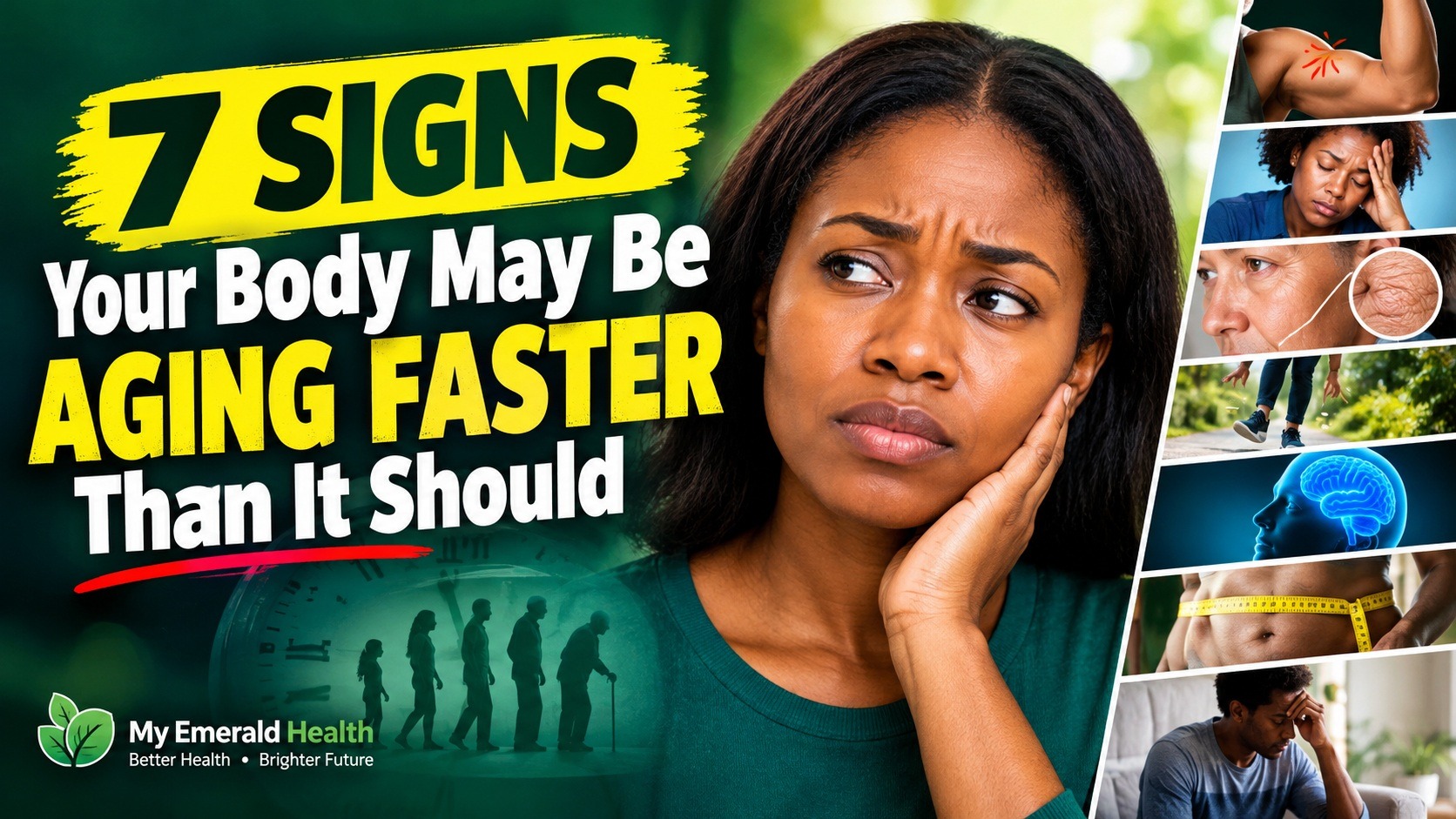
7 Signs Your Body May Be Aging Faster Than It Should
Discover 7 signs your body may be aging faster than it should, from muscle weakness to fatigue and memory changes, plus science-backed ways to age healthily.
Introduction: Is Your Body Aging Faster Than It Should?
Have you ever wondered why some people seem energetic and physically strong well into their later years, while others begin experiencing weakness, persistent fatigue, and other health problems much earlier?
The answer is more complicated than simply counting the years you have been alive.
Your chronological age tells you how long you have lived. Your biological age, on the other hand, refers to aspects of your body’s physical and cellular condition. Although scientists are still refining how biological age should be measured, research suggests that people of the same chronological age can differ considerably in physical function, metabolic health, and other indicators of aging.
This raises an important question: What are the signs your body may be aging faster than it should?
Some changes, such as declining muscle strength, persistent exhaustion, worsening balance, and changes in memory, may indicate that something needs attention. Other changes, including wrinkles and increasing abdominal fat, can reflect normal aging, lifestyle factors, or underlying medical conditions.
Recognizing these changes can help you make informed decisions about your health.
The good news is that many factors associated with unhealthy aging are modifiable. Regular exercise, nutritious food, adequate sleep, avoiding tobacco, and managing chronic health conditions can help support your long-term well-being.
In this article, we explore seven potential warning signs, the science behind them, and practical steps you can take to support healthier aging.
Important: These signs cannot independently diagnose accelerated biological aging. Persistent, unexplained, or worsening symptoms should be discussed with a qualified healthcare professional.
You Are Losing Muscle Strength Earlier Than Expected
One of the most important signs to watch for is a noticeable decline in muscle strength.
Perhaps carrying shopping bags has become more difficult. Climbing stairs leaves your legs feeling unusually weak, or getting up from a chair requires more effort than it used to.
Some loss of muscle mass and strength can occur naturally with age. However, substantial weakness or a rapid decline in physical ability should not automatically be dismissed as normal aging.
What does science say about muscle aging?
Researchers use the term sarcopenia to describe a progressive loss of skeletal muscle strength and, in many cases, muscle mass and physical performance.
Sarcopenia becomes more common with advancing age, but other factors can contribute, including physical inactivity, inadequate nutrition, chronic illness, and prolonged periods of immobility.
Muscle strength is also an important indicator of physical function. Research has associated lower handgrip strength with an increased risk of disability and other adverse health outcomes. However, grip strength alone cannot establish a person’s biological age.
The practical lesson is that maintaining muscle function matters at every stage of adulthood.
How to maintain muscle strength
Consider these evidence-informed habits:
Perform resistance exercises: Depending on your fitness and ability, try bodyweight squats, wall push-ups, resistance bands, or appropriate weight training.
Eat adequate protein: Eggs, fish, beans, lentils, dairy products, and lean meats can help you meet your protein needs.
Move regularly: Break up long periods of sitting with walking and other everyday activities.
Allow time for recovery: Adequate sleep and nutrition support muscle repair after exercise.
If you experience persistent or unexplained weakness, seek medical advice. Sudden weakness affecting one side of the body, particularly with facial drooping or difficulty speaking, requires emergency medical attention.
Maintaining strength is not simply about building muscle. It helps preserve mobility, independence, and the ability to perform everyday activities.
You Feel Exhausted Even After Getting Enough Sleep
Do you regularly wake up feeling tired even after spending enough time in bed?
Perhaps ordinary tasks leave you exhausted, your concentration has declined, or you no longer have the energy for activities you previously enjoyed.
Occasional tiredness is normal. Persistent fatigue, however, deserves attention, especially when it interferes with your daily life.
Why persistent fatigue matters
Fatigue has many possible causes. These include poor sleep quality, sleep apnoea, iron-deficiency anaemia, thyroid disorders, depression, diabetes, medication effects, and other medical conditions.
Chronic inflammation and metabolic dysfunction are also areas of research into biological aging, although fatigue itself is not a reliable measure of biological age.
Sleep plays an important role in physical recovery, cognitive performance, appetite regulation, and metabolic health. When sleep is consistently inadequate or disrupted, several aspects of health can suffer.
For adults, the US Centers for Disease Control and Prevention generally recommends at least seven hours of sleep per night, with individual needs varying according to age and circumstances.
How to improve your energy levels
Start with the following habits:
Establish a consistent bedtime and waking time.
Create a comfortable, quiet, and dark sleeping environment.
Reduce caffeine intake later in the day if it affects your sleep.
Maintain a balanced diet and stay adequately hydrated.
If fatigue persists for several weeks, is unexplained, or is accompanied by other symptoms, consult a healthcare professional. You may need an assessment for an underlying condition.
Do not assume that you are simply getting old because you feel tired all the time. Identifying the cause is more useful than forcing yourself to push through persistent exhaustion.
Your Skin Shows Signs of Premature Aging
Wrinkles, fine lines, and changes in skin texture can develop naturally with age. However, certain environmental exposures can accelerate visible skin aging.
One of the best-established contributors is ultraviolet radiation from sunlight.
How sunlight affects your skin
Your skin contains structural proteins, including collagen and elastin, which help maintain its strength and elasticity.
Repeated exposure to ultraviolet radiation can damage these structures, contribute to oxidative stress, and accelerate the development of wrinkles and other changes associated with photoaging.
Smoking can also damage skin structures and interfere with normal tissue repair. Genetics, environmental pollution, and certain medical conditions may influence skin health as well.
It is important to understand that wrinkles alone do not indicate that your internal organs are aging prematurely. People develop visible signs of aging at different rates.
Use broad-spectrum sunscreen with an SPF of 30 or higher on exposed skin.
Wear protective clothing and seek shade when sunlight is intense.
Avoid smoking and exposure to tobacco smoke.
Eat a balanced diet containing a variety of nutrient-rich foods.
Use gentle skincare products appropriate for your skin type.
You do not need an expensive collection of anti-aging products to protect your skin. Consistent sun protection and avoiding tobacco are important foundations of preventive skin care.
The goal is not to eliminate every wrinkle. It is to protect your skin from preventable damage and maintain its health.
Your Balance and Coordination Are Getting Worse
Have you started stumbling more frequently? Do you feel less steady when walking on uneven surfaces, climbing stairs, or standing up after sitting for a long time?
Balance depends on several systems working together, including your muscles, joints, vision, inner ear, nerves, and brain.
Problems affecting any of these systems can make movement less stable.
What can cause worsening balance?
As people age, changes in muscle power, vision, and sensory function can increase the risk of falls. However, balance problems are not an inevitable part of aging and can occur in younger adults too.
Possible causes include:
Reduced muscle strength and physical inactivity.
Vision problems.
Inner-ear disorders.
Certain medications.
Neurological conditions.
Low blood pressure or other medical problems.
The World Health Organization identifies falls as an important public health concern, particularly among older adults. Research on fall prevention supports appropriate exercise, assessment of medication risks, and addressing vision and environmental hazards.
Worsening balance should therefore be treated as a reason to investigate your health rather than proof of accelerated aging.
Ways to support balance and coordination
Depending on your ability, regular walking, lower-body strengthening, and supervised balance exercises may help maintain physical function.
Tai chi is another activity studied for its potential benefits for balance and fall prevention.
You can also reduce fall risks by improving lighting at home, removing loose rugs and other tripping hazards, and wearing suitable footwear.
If you have already fallen or regularly feel unsteady, seek professional assessment before attempting challenging balance exercises alone.
Sudden difficulty walking or loss of coordination, especially alongside weakness, speech problems, or other neurological symptoms, requires emergency medical attention.
Your Memory and Concentration Are Declining
Occasionally forgetting a name, misplacing your keys, or struggling to remember a detail does not automatically mean your brain is aging prematurely.
Memory and concentration can be affected by stress, anxiety, poor sleep, medications, and several medical conditions.
The more important concern is a persistent or progressive change that begins interfering with everyday activities.
For example, you may repeatedly forget important appointments, struggle with familiar tasks, or find it increasingly difficult to manage activities you previously handled without difficulty.
What connects brain health with healthy aging?
Research indicates that brain health is closely connected to physical health, cardiovascular function, sleep, and social engagement.
The 2024 Lancet Commission on dementia prevention, intervention, and care highlighted potentially modifiable risk factors associated with dementia, including hypertension, diabetes, smoking, physical inactivity, hearing loss, and social isolation.
These findings do not mean every memory problem can be prevented or that cognitive changes prove accelerated aging. They demonstrate that maintaining brain health involves caring for the whole body.
High blood pressure and diabetes, for example, can damage blood vessels over time, increasing the risk of cardiovascular and cerebrovascular complications that may affect cognitive function.
How to support your brain health
Consider these habits:
Engage in regular physical activity.
Monitor and manage blood pressure and blood glucose.
Maintain meaningful relationships and social connections.
Get sufficient sleep.
Continue learning through reading, music, language learning, and other mentally engaging activities.
Seek medical advice about persistent hearing difficulties or other health concerns.
Activities such as learning a language or playing a musical instrument can provide enjoyable mental stimulation, although no single activity guarantees protection against dementia.
If memory changes are progressive or interfere with daily life, arrange a medical assessment. Some contributing factors, including medication effects, thyroid disorders, vitamin deficiencies, and sleep problems, may be treatable.
Do not diagnose yourself with dementia or accelerated aging based on occasional forgetfulness. Look for persistent patterns and seek appropriate advice.
Your Waistline Is Increasing While Your Fitness Is Declining
Another potential warning sign is increasing abdominal fat, especially when accompanied by reduced physical fitness, declining muscle strength, or worsening blood pressure and blood glucose.
Body composition can change over time. Some people lose muscle while gaining fat, even when their total body weight changes very little.
However, these changes are influenced by much more than age alone. Physical activity, diet, sleep, genetics, hormonal changes, medications, and underlying health conditions can all play a role.
Why abdominal fat matters
Not all body fat is the same.
Visceral fat is stored deep inside the abdomen, around internal organs. Excess visceral fat is associated with insulin resistance, type 2 diabetes, cardiovascular disease, and other metabolic complications.
This is why changes in waist circumference can sometimes provide useful information about metabolic risk.
However, neither body shape nor body mass index tells the whole story. Someone with a relatively normal body weight may still have low muscle mass or an unhealthy distribution of body fat.
How to support healthier body composition
Rather than focusing exclusively on weight loss, aim to maintain muscle strength, improve cardiovascular fitness, and support healthy metabolic function.
Practical steps include:
Eat a balanced diet rich in vegetables, fruits, legumes, whole grains, and appropriate protein sources.
Limit frequent consumption of sugary drinks and highly processed foods.
Incorporate regular walking, cycling, swimming, or other aerobic activities.
Include resistance exercises suited to your fitness level.
Get adequate sleep and maintain consistent daily routines.
Check your blood pressure, cholesterol, and blood glucose according to your individual health needs.
You do not need to achieve a particular body shape to improve your health. The priority is reducing preventable metabolic risks while preserving the strength and physical capacity your body needs.
If you experience unexplained weight gain or loss, particularly alongside other symptoms, discuss it with a healthcare professional.
You Take Longer to Recover From Everyday Physical Stress
Our final sign is a noticeable change in how quickly you recover from physical activity or other demands.
Perhaps a long walk leaves you exhausted for much longer than usual, a relatively modest workout causes prolonged soreness, or you feel increasingly drained after activities you previously handled comfortably.
Recovery varies from person to person. Even young, healthy adults can experience soreness after strenuous exercise.
The concern is a persistent change from your usual baseline, especially when it cannot be explained by a change in activity or routine.
What does recovery tell us about aging?
Researchers studying aging examine several processes that influence recovery, including muscle repair, immune function, inflammation, cellular maintenance, and mitochondrial function.
These processes can change with age, but their effects vary considerably between individuals.
Slow recovery is not a specific test of biological age. It can also result from inadequate sleep, insufficient nutrition, dehydration, excessive training, infection, anaemia, medication effects, or other medical conditions.
How to support recovery
Give your body the resources it needs to adapt to physical demands.
Prioritize sleep: Adequate sleep supports normal recovery and physical function.
Eat enough: Your body needs sufficient energy and nutrients to maintain tissues and support activity.
Include protein: Appropriate protein intake supports muscle maintenance and repair.
Increase exercise gradually: Avoid sudden increases in training intensity or volume.
Stay hydrated: Replace fluids lost through sweating and daily activity.
Allow recovery time: Balance demanding exercise with easier days and rest when needed.
If you have been inactive for a long time, begin with manageable activities and increase the intensity gradually.
Persistent exhaustion, unexplained muscle weakness, repeated infections, or a worsening ability to recover should not simply be attributed to age. Seek medical assessment to identify potential causes.
Sometimes, the most important step is not pushing yourself harder. It is understanding why your body is struggling.
Can You Slow Down Biological Aging?
The seven signs discussed above can help you recognize changes worth investigating, but they cannot determine your exact biological age.
Scientists use various approaches to study biological aging, including DNA methylation patterns, physical performance measures, and combinations of clinical biomarkers. These methods do not all measure the same thing, and no single test provides a complete picture of a person’s health or future lifespan.
Instead of relying on a commercial biological-age score, focus on established ways to support your health.
Exercise consistently
Combine aerobic activities, such as brisk walking, with muscle-strengthening exercises appropriate for your ability.
Include a variety of vegetables, fruits, whole grains, legumes, healthy fats, and suitable protein sources.
Avoid relying on restrictive diets or unproven anti-aging supplements to compensate for an otherwise unbalanced routine.
Protect your sleep
Maintain a consistent sleep schedule and address persistent problems such as insomnia or loud snoring accompanied by daytime sleepiness.
Good sleep supports concentration, physical recovery, and overall well-being.
Avoid tobacco
Smoking contributes to cardiovascular disease, respiratory disease, several cancers, and premature skin aging.
Quitting tobacco can improve health at many stages of life.
Monitor important health indicators
Regular healthcare visits can help identify conditions such as high blood pressure, diabetes, and abnormal cholesterol before complications develop.
The appropriate screening schedule depends on your age, medical history, risk factors, and local healthcare guidance.
Maintain social and mental well-being
Stay connected with friends, family, and your community. Pursue meaningful interests and seek help when stress, anxiety, or low mood begins affecting daily life.
Mental and social well-being are important parts of overall health.
Be cautious with anti-aging claims
Products promising to reverse aging, dramatically lower biological age, or extend life should be evaluated carefully.
A change in a commercial test score does not necessarily mean that a treatment has improved health or extended lifespan. Strong claims require strong clinical evidence.
The most useful approach is to build sustainable habits and seek medical advice when symptoms suggest an underlying problem.
When Should You See a Doctor?
Arrange a medical appointment if you notice persistent fatigue, unexplained weakness, progressive memory changes, worsening balance, or a significant decline in your usual physical ability.
Depending on your symptoms and medical history, a healthcare professional may assess your medications, sleep, nutrition, physical function, blood pressure, blood glucose, or other relevant factors.
Seek emergency care for sudden one-sided weakness, facial drooping, difficulty speaking, abrupt loss of coordination, or other possible signs of a stroke.
The earlier you investigate an important health change, the sooner you may be able to identify a treatable cause.
Frequently Asked Questions About Premature Aging
What are the first signs of premature aging?
There is no universal set of first signs. Depending on the underlying cause, noticeable changes may include declining muscle strength, persistent fatigue, changes in skin appearance, worsening physical function, or increasing metabolic risk. These symptoms are not specific to accelerated aging and may have other explanations.
What causes the body to age faster?
Biological aging is influenced by genetics, environmental exposures, lifestyle, and health conditions. Smoking, physical inactivity, inadequate sleep, excessive ultraviolet exposure, and poorly controlled chronic diseases can contribute to health problems associated with unhealthy aging. Their effects vary between individuals.
Can you reverse biological aging?
There is currently no established treatment proven to reverse the entire biological aging process in humans. However, exercise, balanced nutrition, adequate sleep, avoiding tobacco, and appropriate management of medical conditions can improve important aspects of health and physical function.
Does looking older than your age mean your body is aging faster?
Not necessarily. Skin appearance is influenced by genetics, sun exposure, smoking, and other factors. Someone may develop wrinkles early without having accelerated aging across all their organs and biological systems.
How can I tell if my biological age is higher than my actual age?
There is no single universally accepted test that precisely measures the biological age of your entire body. Researchers use various biomarkers and functional assessments, but their interpretation depends on the method and context. A commercial biological-age test should not replace routine medical assessment or established preventive care.
Can stress make you age faster?
Chronic stress can affect sleep, cardiovascular health, mood, and health-related behaviours. Researchers also study relationships between stress and cellular aging markers, but these findings do not mean that every stressful period causes measurable premature aging. Stress management can support overall health and quality of life.
What is the best exercise for healthy aging?
There is no single best exercise for everyone. A combination of aerobic activity, muscle-strengthening exercises, and balance training can support different aspects of physical function. Choose activities appropriate for your health and ability, and increase your activity gradually.
Final Thoughts: Focus on Health, Not Fear of Aging
The seven signs your body may be aging faster than it should are declining muscle strength, persistent fatigue, premature skin changes, worsening balance, progressive memory difficulties, increasing abdominal fat alongside declining fitness, and unusually slow recovery.
None of these signs proves accelerated biological aging. However, persistent changes in your physical or mental function deserve attention.
The encouraging message is that you can take meaningful steps to support your health at almost any age.
Move regularly. Eat well. Sleep enough. Protect your skin. Avoid tobacco. Maintain social connections, and seek medical care when something does not feel right.
You do not need to change everything in one day. Start with one realistic improvement and build from there.
Healthy aging is not about trying to remain young forever. It is about preserving your strength, independence, and quality of life for as long as possible.
If this article helped you understand your body better, share it with someone who may benefit from it, and explore more evidence-based health information on My Emerald Health.
References and Further Reading
The following reputable sources provide additional information on healthy aging, physical function, brain health, and prevention.
Livingston G, et al. — Dementia prevention, intervention, and care: 2024 report of the Lancet standing Commission.The Lancet, 2024. https://pubmed.ncbi.nlm.nih.gov/39096926/
Medical note: This article is intended for general educational purposes and is not a substitute for individual medical advice, diagnosis, or treatment.
A graduate of Computer Science and Information Management Technology. Diploma – Caregiving, Certificates – Dementia and Diabetes Awareness and Management. A researcher, blogger, songwriter, singer and acoustic guitarist. Born in an environment where natural talents such as healing are imparted at our natural birth. This natural talents of healing is the result of our genetic inheritance and the training from family environment.
We use cookies on our website to give you the most relevant experience by remembering your preferences and repeat visits. By clicking “Accept All”, you consent to the use of ALL the cookies. However, you may visit "Cookie Settings" to provide a controlled consent.
This website uses cookies to improve your experience while you navigate through the website. Out of these, the cookies that are categorized as necessary are stored on your browser as they are essential for the working of basic functionalities of the website. We also use third-party cookies that help us analyze and understand how you use this website. These cookies will be stored in your browser only with your consent. You also have the option to opt-out of these cookies. But opting out of some of these cookies may affect your browsing experience.
Necessary cookies are absolutely essential for the website to function properly. These cookies ensure basic functionalities and security features of the website, anonymously.
Cookie
Duration
Description
cookielawinfo-checkbox-analytics
11 months
This cookie is set by GDPR Cookie Consent plugin. The cookie is used to store the user consent for the cookies in the category "Analytics".
cookielawinfo-checkbox-functional
11 months
The cookie is set by GDPR cookie consent to record the user consent for the cookies in the category "Functional".
cookielawinfo-checkbox-necessary
11 months
This cookie is set by GDPR Cookie Consent plugin. The cookies is used to store the user consent for the cookies in the category "Necessary".
cookielawinfo-checkbox-others
11 months
This cookie is set by GDPR Cookie Consent plugin. The cookie is used to store the user consent for the cookies in the category "Other.
cookielawinfo-checkbox-performance
11 months
This cookie is set by GDPR Cookie Consent plugin. The cookie is used to store the user consent for the cookies in the category "Performance".
viewed_cookie_policy
11 months
The cookie is set by the GDPR Cookie Consent plugin and is used to store whether or not user has consented to the use of cookies. It does not store any personal data.
Functional cookies help to perform certain functionalities like sharing the content of the website on social media platforms, collect feedbacks, and other third-party features.
Performance cookies are used to understand and analyze the key performance indexes of the website which helps in delivering a better user experience for the visitors.
Analytical cookies are used to understand how visitors interact with the website. These cookies help provide information on metrics the number of visitors, bounce rate, traffic source, etc.
Advertisement cookies are used to provide visitors with relevant ads and marketing campaigns. These cookies track visitors across websites and collect information to provide customized ads.