8 Everyday Habits That May Be Damaging Your Kidneys
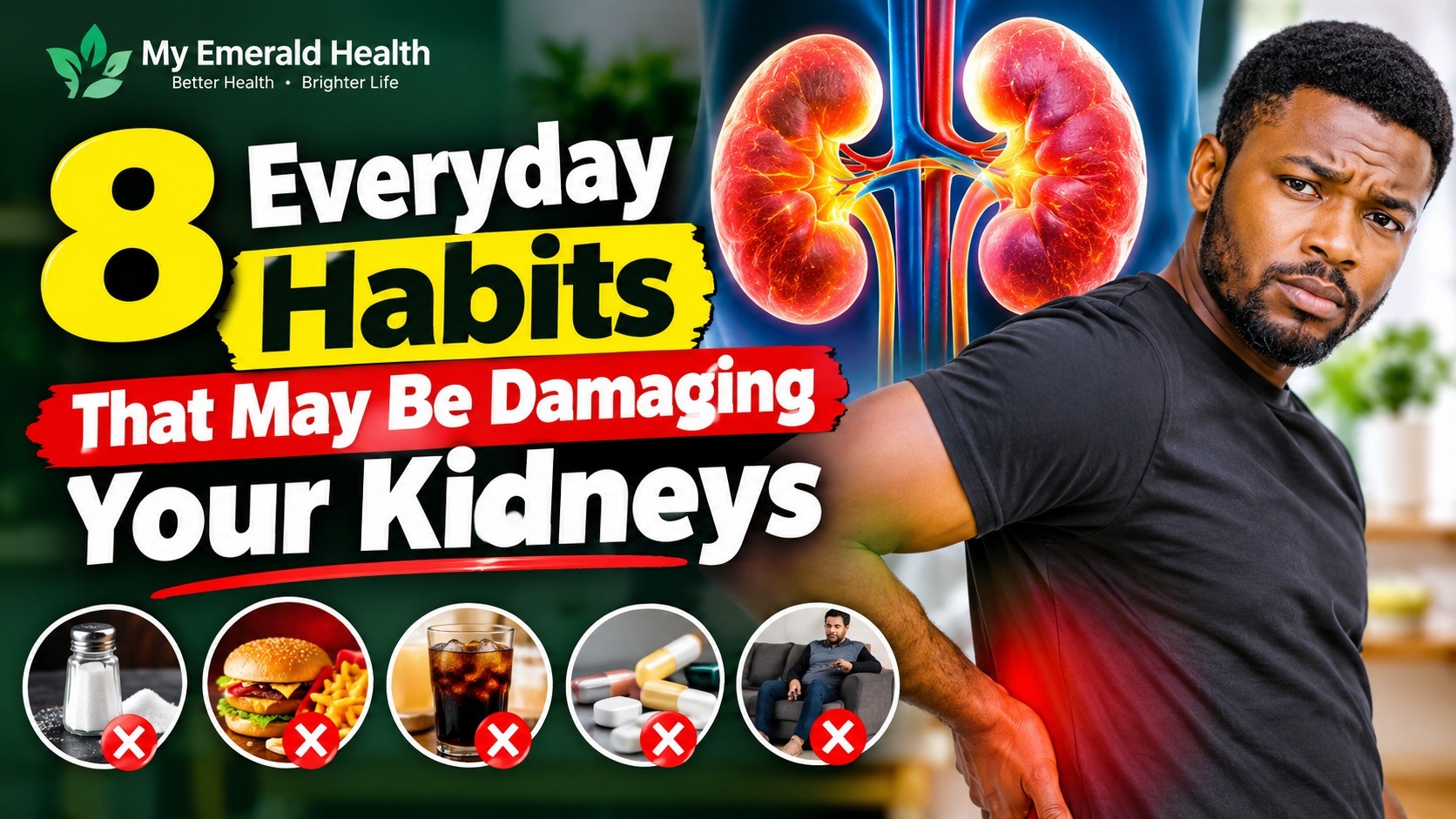
8 Everyday Habits That May Be Damaging Your Kidneys
Are your daily habits silently harming your kidney health? Discover 8 common everyday habits that may be damaging your kidneys and simple evidence-based steps to protect them.
Your kidneys work tirelessly for you every single minute of every single day. They filter your blood, remove excess waste and fluids, balance vital minerals, and play a critical role in controlling your blood pressure.
Yet, here is what makes kidney health particularly precarious: you rarely feel when something is wrong.
Chronic Kidney Disease (CKD) often develops quietly over several years without causing obvious symptoms. As a result, seemingly normal daily routines—things you do every single day—can gradually put excessive stress on these vital organs.
Protecting your kidney function isn’t about panicking every time you enjoy a savory meal or take an over-the-counter pain reliever. It’s about recognizing patterns—understanding which habits become harmful when practiced frequently or when combined with underlying risk factors like high blood pressure or diabetes.
Here are eight everyday habits that may be damaging your kidneys—and actionable steps you can take today to protect your long-term health.
Consuming Too Much Sodium and Processed Food
Take a moment to reflect on what you ate yesterday. Did your daily meal plan include instant noodles, deli meats, fast food, packaged snacks, or canned soups?
Most people consume excessive sodium without ever touching a salt shaker. Food manufacturers pack sodium into processed, packaged, and takeaway foods to extend shelf life and enhance flavor.
💡 Key Insight: Over 70% of the dietary sodium consumed daily comes from processed foods and restaurant meals, not the salt shaker on your table.
Why Sodium Harms Kidney Function
High sodium consumption leads to fluid retention, forcing your heart and blood vessels to work harder. This elevates your blood pressure. Over time, high blood pressure (hypertension) damages the delicate blood vessels and filtering units (nephrons) inside your kidneys.
What to do instead:
Read nutrition labels: Look for “low sodium” or “no salt added” options.
Cook with fresh ingredients: Use herbs, garlic, citrus, and spices to flavor food instead of salt heavy seasonings.
Gradual reduction: Slowly decrease added salt so your palate adapts over time.
Drinking Sugary Beverages Frequently
Sodas, sweetened fruit juices, energy drinks, and specialty coffee beverages have become daily staples for many. However, using sugary drinks as your primary source of hydration poses serious long-term health risks.
The Link Between Sugar and Kidney Damage
Regularly consuming high amounts of added sugar leads to weight gain and increases your risk of insulin resistance and type 2 diabetes.
Diabetes is the leading cause of kidney failureworldwide. Sustained high blood sugar levels damage the microscopic blood vessels inside the kidneys, impairing their ability to filter waste from your blood.
What to do instead:
Swap sugary drinks for hydration options that support metabolic health:
Infused water (add slices of cucumber, lemon, or mint)
Sparkling water with a splash of 100% real fruit juice
Frequent Use of Over-the-Counter Painkillers
When a headache, backache, or muscle pain strikes, it is easy to reach into the medicine cabinet for quick relief. Common over-the-counter painkillers like ibuprofen and naproxen belong to a class of medications called NSAIDs (Nonsteroidal Anti-inflammatory Drugs).
While effective for short-term pain relief, frequent or prolonged use of NSAIDs can significantly reduce blood flow to the kidneys.
Who is Most at Risk?
Regular NSAID use is particularly dangerous if you are:
Dehydrated
Managing high blood pressure or diabetes
Pre-existing with mild or moderate kidney impairment
Over the age of 60
⚠️ Warning: Never assume an over-the-counter medication is harmless for long-term daily use simply because it doesn’t require a prescription.
What to do instead:
If you suffer from chronic pain, consult a physician or pharmacist to discuss safer pain-management strategies or alternative medications that do not strain your kidneys.
Allowing Yourself to Become Dehydrated
You do not need to force yourself to drink a rigid, arbitrary number of water gallons every day. Fluid needs vary widely based on your body size, activity level, climate, and general health.
However, severe or repeated dehydration drops your blood volume, significantly impairing blood flow to the kidneys.
High-Risk Dehydration Scenarios:
Intense workouts or outdoor labor in extreme heat
Illnesses involving fever, vomiting, or diarrhea
Combining heavy sweating with NSAID pain relievers
What to do instead:
Pay attention to your body’s signals. Drink fluids consistently throughout the day, and increase your intake during hot weather, intense exercise, or illness. Seek medical evaluation if you experience severe dehydration symptoms like dizziness, confusion, or a noticeable drop in urine output.
Living a Predominantly Sedentary Lifestyle
Sitting at a desk all day, commuting in a car, and relaxing on the couch in the evening can easily add up to 10+ hours of physical inactivity per day.
While sitting itself does not directly injure kidney tissue, chronic physical inactivity wreaks havoc on your metabolic health.
How Inactivity Affects Your Kidneys
Sedentary lifestyles directly contribute to:
Weight gain and obesity
Poor blood sugar regulation
Elevated systemic blood pressure
Because cardiovascular and metabolic health are directly linked to renal health, keeping your body moving keeps your kidneys healthy.
What to do instead:
Focus on manageable movement habits:
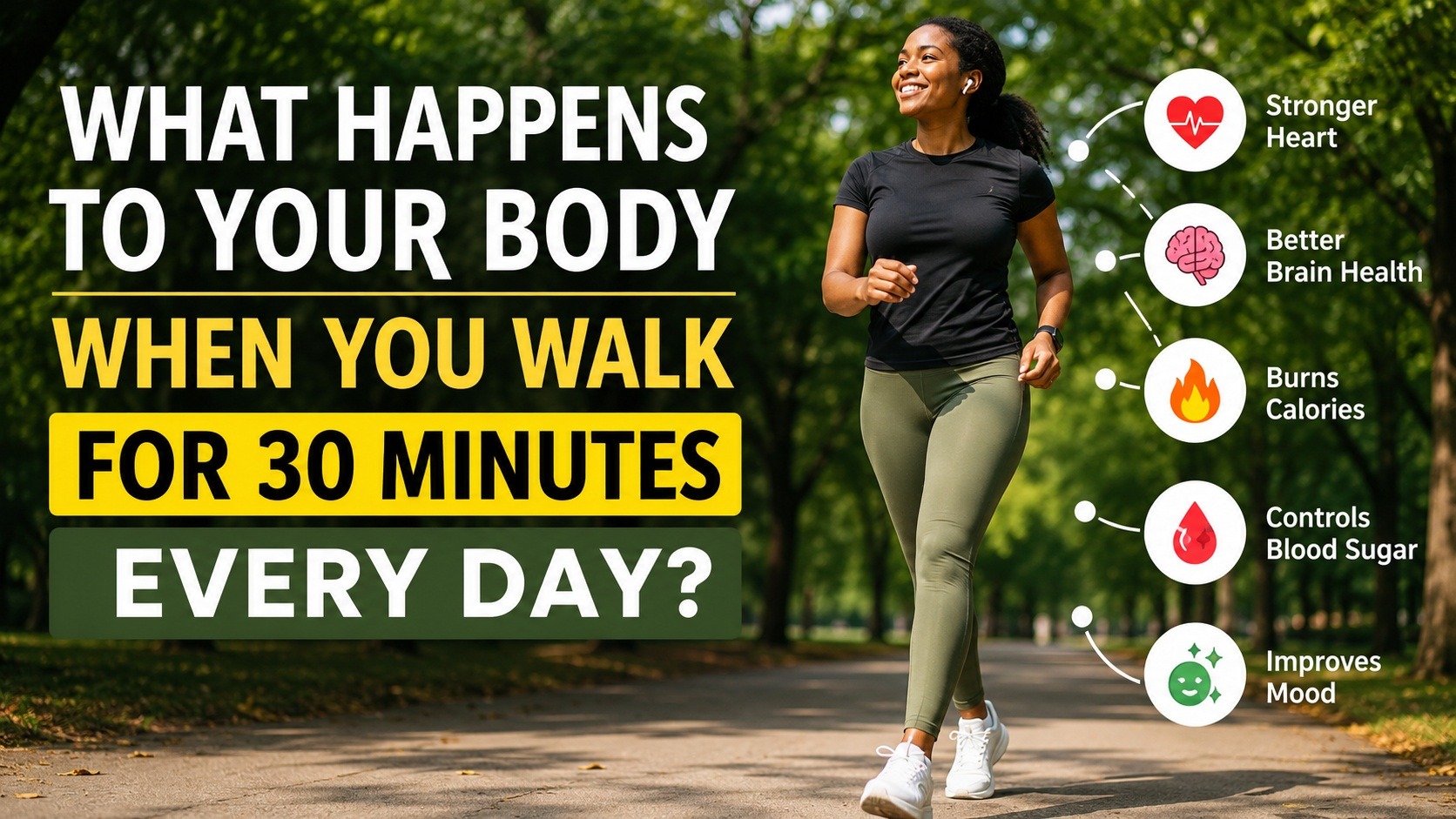
Aim for a 20-to-30-minute daily walk.
Take brief standing breaks every hour during work.
Choose stairs over elevators when possible.
Smoking and Tobacco Use
It is widely known that smoking damages lung and heart health, but its devastating effect on kidney function is often overlooked.
Tobacco’s Impact on Renal Health
Smoking causes blood vessels throughout the entire body to constrict and harden, slowing blood flow to critical organs, including the kidneys. Furthermore, smoking directly elevates blood pressureand accelerates the progression of existing kidney disease.
What to do instead:
Quitting nicotine can be challenging, but every step toward stopping protects your vascular health. Speak with a healthcare professional about evidence-based cessation tools, including nicotine replacement therapy, medications, and support groups.
Ignoring Blood Pressure and Blood Sugar Levels
Perhaps the single most dangerous habit on this list is assuming you are healthy simply because you “feel fine.”
High blood pressure and early-stage diabetes earn the title “silent killers” for a reason—they can inflict severe vascular damage for years without presenting any obvious warning symptoms.
📈 Did You Know? High blood pressure and diabetes account for up to 75% of all cases of kidney failure.
What to do instead:
Know your numbers: Schedule routine health screenings to check your blood pressure and fasting blood glucose levels.
Follow prescribed treatments: If diagnosed with hypertension or diabetes, take your prescribed medications consistently—not just on days you feel unwell.
Monitor at home: Keep a log of your blood pressure or blood sugar as advised by your physician.
Postponing Routine Kidney Health Checks
The ultimate mistake in maintaining kidney health is delaying routine diagnostic checks because you lack symptoms.
Many people think, “My urine looks normal and I don’t have back pain, so my kidneys must be fine.” Unfortunately, early-stage chronic kidney disease rarely causes noticeable pain or physical changes. By the time noticeable symptoms appear, significant kidney function may already be lost.
Who Needs Kidney Screening?
You should ask your doctor for routine kidney function tests if you have any of the following risk factors:
High blood pressure
Type 1 or Type 2 diabetes
Cardiovascular disease
Obesity
A family history of kidney disease or failure
How are Kidneys Tested?
Kidney function testing is straightforward and non-invasive. It typically involves:
eGFR (Estimated Glomerular Filtration Rate): A simple blood test measuring how well your kidneys filter waste.
uACR (Urine Albumin-to-Creatinine Ratio): A urine test checking for protein leakage, an early sign of kidney damage.
The Bottom Line: How to Protect Your Kidney Health Today
Protecting your kidneys does not require buying expensive “detox” teas, miracle supplements, or drastic cleanse routines. Your kidneys are your body’s built-in detox system—they just need proper support to do their job effectively.
Focus on the fundamentals that matter:
Keep your blood pressure and blood sugarwithin target ranges.
Eat a balanced diet rich in whole foods and low in excess sodium.
Stay properly hydrated and exercise regularly.
Avoid tobacco and use OTC pain relievers responsibly.
Schedule routine check-ups if you have underlying health conditions.
Your One-Week Action Challenge
You don’t need to overhaul your entire lifestyle overnight. Pick just one habit from this list to improve this week:
Swap your afternoon soda for water.
Schedule a quick blood pressure check.
Add a 20-minute daily walk to your routine.
Talk to your pharmacist about safer pain relief options.
Small, consistent improvements lead to long-term health benefits.
Disclaimer: This article is for general educational and informational purposes only and does not constitute medical advice. It is not a substitute for professional medical examination, diagnosis, or treatment. Always consult a qualified healthcare provider or pharmacist before making changes to your diet, exercise, or medication regimen.
A graduate of Computer Science and Information Management Technology. Diploma – Caregiving, Certificates – Dementia and Diabetes Awareness and Management. A researcher, blogger, songwriter, singer and acoustic guitarist. Born in an environment where natural talents such as healing are imparted at our natural birth. This natural talents of healing is the result of our genetic inheritance and the training from family environment.
We use cookies on our website to give you the most relevant experience by remembering your preferences and repeat visits. By clicking “Accept All”, you consent to the use of ALL the cookies. However, you may visit "Cookie Settings" to provide a controlled consent.
This website uses cookies to improve your experience while you navigate through the website. Out of these, the cookies that are categorized as necessary are stored on your browser as they are essential for the working of basic functionalities of the website. We also use third-party cookies that help us analyze and understand how you use this website. These cookies will be stored in your browser only with your consent. You also have the option to opt-out of these cookies. But opting out of some of these cookies may affect your browsing experience.
Necessary cookies are absolutely essential for the website to function properly. These cookies ensure basic functionalities and security features of the website, anonymously.
Cookie
Duration
Description
cookielawinfo-checkbox-analytics
11 months
This cookie is set by GDPR Cookie Consent plugin. The cookie is used to store the user consent for the cookies in the category "Analytics".
cookielawinfo-checkbox-functional
11 months
The cookie is set by GDPR cookie consent to record the user consent for the cookies in the category "Functional".
cookielawinfo-checkbox-necessary
11 months
This cookie is set by GDPR Cookie Consent plugin. The cookies is used to store the user consent for the cookies in the category "Necessary".
cookielawinfo-checkbox-others
11 months
This cookie is set by GDPR Cookie Consent plugin. The cookie is used to store the user consent for the cookies in the category "Other.
cookielawinfo-checkbox-performance
11 months
This cookie is set by GDPR Cookie Consent plugin. The cookie is used to store the user consent for the cookies in the category "Performance".
viewed_cookie_policy
11 months
The cookie is set by the GDPR Cookie Consent plugin and is used to store whether or not user has consented to the use of cookies. It does not store any personal data.
Functional cookies help to perform certain functionalities like sharing the content of the website on social media platforms, collect feedbacks, and other third-party features.
Performance cookies are used to understand and analyze the key performance indexes of the website which helps in delivering a better user experience for the visitors.
Analytical cookies are used to understand how visitors interact with the website. These cookies help provide information on metrics the number of visitors, bounce rate, traffic source, etc.
Advertisement cookies are used to provide visitors with relevant ads and marketing campaigns. These cookies track visitors across websites and collect information to provide customized ads.