Collagen Boosting Foods: Natural Ways to Support Youthful Skin and Strong Joints
Discover the best collagen boosting foods to support healthy skin, strong joints, and vibrant hair. Learn how to naturally increase collagen production through diet.
Collagen is one of the most important proteins in your body — it keeps your skin firm, your joints flexible, and your hair and nails strong. But as we age, collagen levels begin to decline, leading to wrinkles, sagging skin, joint pain, and slower healing.
Thankfully, eating collagen boosting foods can naturally help your body produce more collagen and maintain that healthy, youthful glow.
In this article, we’ll explore everything you need to know about collagen — what it is, why it matters, the best collagen boosting foods to include in your diet, and how to support collagen production naturally through nutrition and lifestyle.
What Is Collagen and Why Is It Important?
Collagen is the most abundant protein in the human body, making up nearly one-third of all proteins found in our tissues. It acts like the glue that holds everything together — from skin, muscles, bones, tendons, and ligaments to blood vessels and even your digestive system.
There are over 20 different types of collagen, but the most common are:
Type I: Found in skin, bones, tendons, and ligaments; responsible for skin elasticity and strength.
Type II: Found in cartilage, providing cushioning for joints.
Type III: Found in skin, muscles, and blood vessels.
As you age, collagen production slows down. This natural process can start as early as your 20s and is made worse by poor diet, sun exposure, smoking, alcohol, and stress. The result is visible signs of aging — fine lines, wrinkles, and joint stiffness.
That’s why eating collagen boosting foods is so important. These foods supply your body with the amino acids, vitamins, and minerals needed to build and protect collagen fibers.
How Food Affects Collagen Production
Your body makes collagen from amino acids — primarily glycine, proline, and hydroxyproline — which come from protein-rich foods. But it also needs certain nutrients to support this process, including vitamin C, zinc, copper, and antioxidants.
So, the best collagen boosting foods don’t just contain protein — they contain the nutrients that activate collagen synthesis and protect existing collagen from breaking down.
When you eat collagen-rich foods or nutrients that support its formation, your body breaks them down and uses them to strengthen skin, bones, and connective tissue.
🥗 Top Collagen Boosting Foods to Include in Your Diet
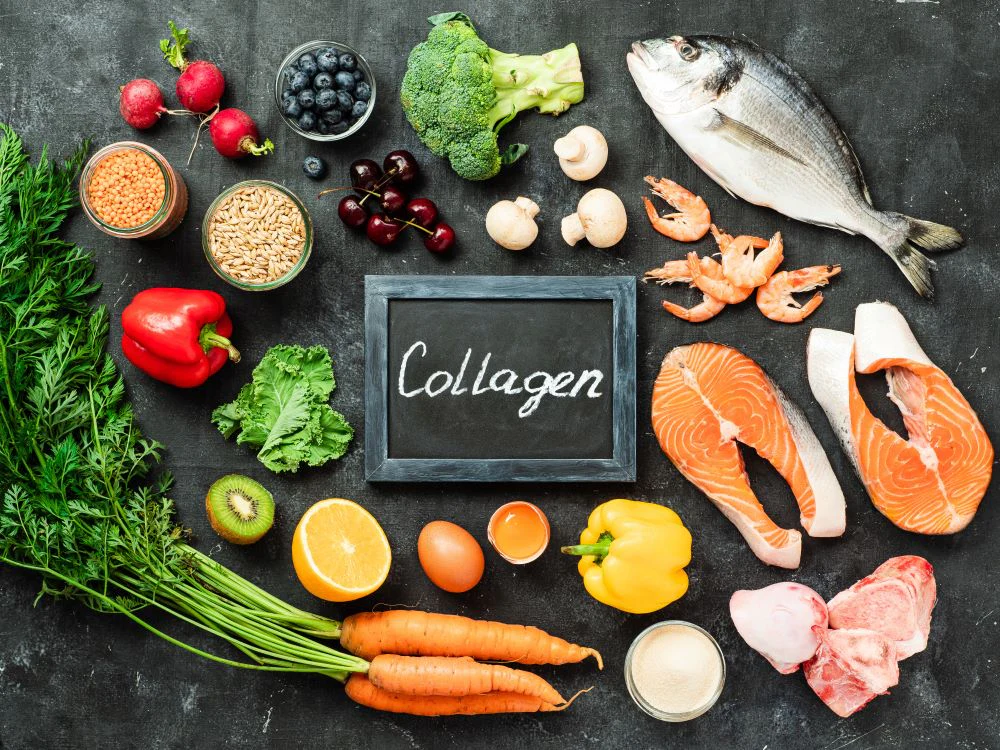
Eating foods that help your body produce collagen is one of the best things you can do to support youthful skin, strong joints, and overall vitality. These collagen boosting foods contain the right mix of amino acids, vitamins, and minerals your body needs to create and protect collagen naturally.
Let’s take a detailed look at some of the most effective and delicious foods that can help you increase collagen levels through your daily meals.
🦴 1. Bone Broth – The Ultimate Natural Source of Collagen
Bone broth is often called liquid gold for skin health — and for good reason. It’s one of the most powerful collagen boosting foods you can consume. Made by simmering animal bones, cartilage, and connective tissues for several hours, bone broth releases collagen, gelatin, and essential minerals into the liquid.
Why It Helps:
Bone broth is rich in amino acids like glycine, proline, and hydroxyproline — the exact building blocks your body uses to make collagen. It also contains glucosamine and chondroitin, compounds known to support joint health and reduce inflammation. Regular consumption helps strengthen your skin, hair,nails, and bones from the inside out.
Additional Benefits:
Improves joint flexibility and reduces stiffness.
Enhances gut health by repairing the intestinal lining.
Supports restful sleep due to the amino acid glycine.
How to Enjoy It:
Drink a warm cup of homemade bone broth daily, especially in the morning or before bed. You can also use it as a flavorful base for soups, sauces, and stews.
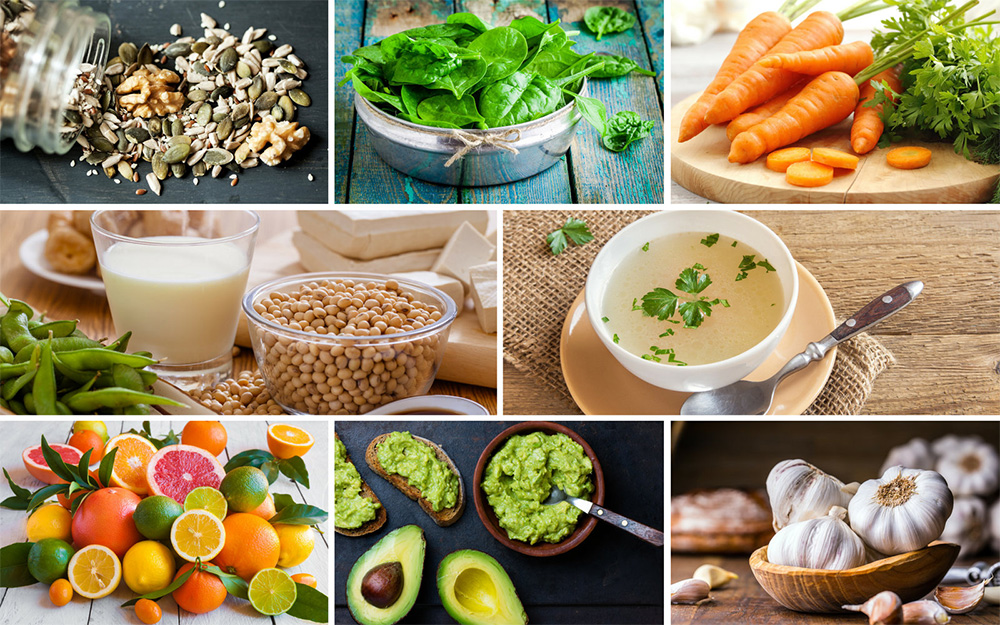
Top 10 Foods to Boost Natural Collagen Production
🐟 2. Fish and Shellfish – Marine Sources of Collagen and Minerals
Fish, especially those with edible skin like salmon and mackerel, are another group of excellent collagen boosting foods. Marine collagen — derived from fish skin and scales — is considered one of the most bioavailable forms of collagen, meaning your body absorbs it efficiently.
Why It Helps:
Fish and shellfish provide Type I collagen, the most abundant form found in human skin and bones. They also supply omega-3 fatty acids, zinc, and copper, which are vital nutrients for collagen synthesis. Omega-3s help reduce inflammation that can break down collagen and keep your skin plump and hydrated.
Additional Benefits:
Promotes smoother, more elastic skin.
Strengthens hair and nails.
Reduces signs of aging caused by sun exposure.
How to Enjoy It:
Grill, steam, or bake fish like salmon, sardines, tuna, or trout with the skin on. You can also enjoy oysters, crab, or shrimp, which provide collagen-friendly minerals and antioxidants.
🍳 3. Eggs – Rich in Proline and Collagen-Supporting Nutrients
Eggs are a versatile and affordable way to boost collagen production naturally. While they don’t contain collagen themselves, egg whites are packed with proline — one of the key amino acids your body needs to produce collagen.
Why It Helps:
The proline in egg whites directly supports collagen synthesis, while the yolks are rich in biotin and sulfur, two nutrients that help maintain healthy skin, hair, and nails. Sulfur also helps prevent collagen breakdown, keeping your skin firm and strong.
Additional Benefits:
Boosts metabolism and muscle repair due to high protein content.
Improves the structure of hair and nails.
Supports energy production with vitamin B12 and choline.
How to Enjoy It:
Add boiled, poached, or scrambled eggs to your breakfast routine. You can also incorporate eggs into salads or vegetable stir-fries for a complete, collagen-friendly meal.
🍊 4. Citrus Fruits – Vitamin C Powerhouses for Collagen Production
Citrus fruits like oranges, lemons, grapefruits, and limes are among the most powerful collagen boosting foods because they’re loaded with vitamin C — a nutrient your body cannot produce on its own but is essential for collagen synthesis.
Why It Helps:
Vitamin C acts as a cofactor in the production of collagen. It converts the amino acids proline and lysine into hydroxyproline and hydroxylysine, which are essential components of stable collagen fibers. It also acts as a powerful antioxidant, shielding collagen from free radical damage caused by pollution and sun exposure.
Additional Benefits:
Brightens skin and reduces pigmentation.
Strengthens the immune system.
Aids in iron absorption, promoting better blood circulation.
How to Enjoy It:
Drink a glass of fresh orange or lemon water in the morning, or add grapefruit slices to your salads. You can also use lemon juice as a healthy salad dressing to increase your vitaminC intake.
🍓 5. Berries – Tiny Fruits with Major Collagen Protection
Berries like strawberries, blueberries, raspberries, and blackberries are among the richest natural sources of antioxidants and vitamin C, making them essential collagen boosting foods for anyone who wants glowing, youthful skin.
Why It Helps:
The antioxidants in berries protect collagen from being broken down by UV rays, stress, and toxins. The vitamin C they provide also promotes new collagen formation, while ellagic acid — found in strawberriesand raspberries — helps prevent collagen loss due to sun exposure.
How to Enjoy It:
Add a handful of berries to your morning oatmeal, yogurt, or smoothie. You can also freeze them for a refreshing snack or use them in desserts made with natural sweeteners.
🥬 6. Leafy Green Vegetables – Nature’s Skin Guardians
Leafy greens such as spinach, kale, broccoli, and Swiss chard are loaded with nutrients that support your body’s natural ability to make collagen.
Why It Helps:
These greens are high in chlorophyll — a pigment that gives them their rich color and may increase collagen precursors in the skin. They’re also full of vitamin C, magnesium, and iron, which promote healthy collagen fiber formation and protect existing collagen from damage.
How to Enjoy It:
Blend greens into smoothies, use them in soups, or make a colorful salad topped with nuts and seeds. Lightly steaming or stir-frying leafy greens helps retain their nutrients.
🧄 7. Garlic – The Hidden Collagen Enhancer
Garlic might be small, but it packs a big nutritional punch. It’s one of the most underrated collagen boosting foods, mainly because of its sulfur content.
Why It Helps:
Sulfur is essential for collagen production and helps protect existing collagen from breaking down. Garlic also contains taurine and lipoic acid — compounds that help rebuild damaged collagen fibers and repair skin cells.
Additional Benefits:
Reduces inflammation and supports heart health.
Improves circulation, which helps deliver nutrients to the skin.
How to Enjoy It:
Use fresh garlic in cooking whenever possible — in soups, stir-fries, sauces, or roasted vegetables. For the best benefits, crush or chop garlic and let it sit for a few minutes before cooking to activate its beneficial compounds.
🌰 8. Nuts and Seeds – Tiny Packages of Collagen Protection
Nuts and seeds are small but mighty collagen boosting foods that provide your body with vital minerals, healthy fats, and antioxidants.
Why It Helps:
Almonds, walnuts, sunflower seeds, chia seeds, and flaxseeds are all rich in vitamin E and zinc, which protect skin cells and prevent collagen from oxidizing. Omega-3 fatty acids found in walnuts and flaxseeds also keep the skin barrier strong and hydrated, supporting collagen structure.
Additional Benefits:
Reduces skin dryness and fine lines.
Supports heart health and lowers cholesterol.
Provides long-lasting energy and improves mood.
How to Enjoy It:
Snack on raw nuts or mix them into yogurt and smoothies. Sprinkle chia or flaxseeds on your cereal, salads, or even baked goods.
🍅 9. Tomatoes – A Delicious Source of Lycopene and Vitamin C
Tomatoes are another excellent collagen boosting food, especially for protecting your skin from UV damage and aging.
Why It Helps:
Tomatoes contain both vitamin C and lycopene, an antioxidant known for protecting skin from sun-induced collagen loss. Lycopene strengthens the skin’s natural barrier and enhances elasticity, while vitamin C promotes new collagen formation.
How to Enjoy It:
Eat fresh tomatoes in salads or enjoy cooked tomato sauces — cooking actually increases lycopene absorption. Combine tomatoes with healthy fats like olive oil for maximum benefit.
🥑 10. Avocados – Creamy Skin Rejuvenators
Avocados are rich, creamy, and filled with nutrients that make them one of the best collagen boosting foods for radiant skin and strong tissues.
Why It Helps:
They’re full of vitamin E, healthy monounsaturated fats, and antioxidants that prevent oxidative stress, one of the main causes of collagen breakdown. Vitamin E also works with vitamin C to maintain skin smoothness and elasticity.
Additional Benefits:
Improves skin hydration and prevents dryness.
Supports brain and heart function.
Reduces inflammation throughout the body.
How to Enjoy It:
Add avocado slices to salads, toast, or wraps. You can also blend them into smoothies for a creamy, nourishing texture or make homemade guacamole.
🫘 11. Beans and Legumes – Plant-Based Collagen Supporters
If you’re looking for vegetarian collagen boosting foods, beans and legumes should top your list.
Why It Helps:
Beans are rich in amino acids, zinc, and copper — all vital for collagen production. These minerals activate the enzymes responsible for building and repairing collagen fibers. Legumes like lentils and chickpeas also contain plant-based protein that keeps your skin firm and resilient.
Keeps you full longer and supports weight management.
Improves digestive health with fiber.
How to Enjoy It:
Include beans in soups, stews, or salads. You can also make hummus from chickpeas for a tasty, protein-packed snack.
🍫 12. Dark Chocolate – Sweet Collagen Protection
Dark chocolate is not just an indulgent treat — it’s also one of the most surprising collagen boosting foods when consumed in moderation.
Why It Helps:
High-quality dark chocolate (with at least 70% cocoa) is loaded with flavonoids, which improve blood flow to the skin and protect against UV-induced collagen loss. It also helps hydrate the skin and reduce roughness.
How to Enjoy It:
Eat a small piece of dark chocolate daily or melt it into warm milk for a comforting, skin-loving drink. Just avoid milk chocolate, which has more sugar and fewer antioxidants.
Other Natural Ways to Increase Collagen Production
Besides eating collagen boosting foods, you can also help your body maintain collagen levels through lifestyle habits:
Stay Hydrated: Collagen works best when your skin is well-hydrated.
Avoid Smoking and Excessive Alcohol: These habits accelerate collagen breakdown.
Protect Your Skin from the Sun: UV rays destroy collagen fibers. Always use sunscreen.
Exercise Regularly: Physical activity stimulates collagen synthesis in muscles and joints.
Get Enough Sleep: Your body produces collagen during deep sleep, so rest is essential.
Benefits of Collagen Boosting Foods
Including collagen boosting foods in your diet offers several health benefits:
Youthful Skin: Improved elasticity, reduced wrinkles, and firmer texture.
Joint Health: Reduced stiffness and pain from conditions like arthritis.
Stronger Hair and Nails: Collagen supports keratin production.
Better Digestion: Collagen strengthens the lining of the gut.
Faster Healing: Promotes wound repair and tissue regeneration.
Frequently Asked Questions (FAQs)
Can collagen boosting foods really improve skin appearance?
Yes. While topical products can help, eating collagen boosting foods supplies your body with the amino acids and nutrients it needs to rebuild collagen from the inside out.
How long does it take to see results?
Most people start noticing improvements in skin texture, hair strength, and joint comfort within 4–8 weeks of consistent collagen-supportive eating.
Are collagen supplements better than foods?
Supplements can help, but whole foods provide additional vitamins, minerals, and antioxidants that aid natural collagen production.
Can vegetarians boost collagen naturally?
Yes. Even without animal-based collagen, vegetarians can eat plant sources rich in vitamin C, zinc, and amino acids — such as beans, seeds, and leafy greens.
Is it possible to have too much collagen?
Natural collagen from food is safe. However, overusing supplements may cause digestive discomfort for some people.
Final Thoughts
Your skin, joints, and connective tissues all depend on collagen — and the best way to keep your levels strong is through nutrition. Including a wide range of collagen boosting foods like bone broth, fish, eggs, berries, leafy greens, and nuts can help your body stay youthful, flexible, and resilient.
A balanced diet rich in these nutrients, combined with healthy lifestyle habits, can go a long way in maintaining glowing skin and strong joints for years to come.
A graduate of Computer Science and Information Management Technology. Diploma – Caregiving, Certificates – Dementia and Diabetes Awareness and Management. A researcher, blogger, songwriter, singer and acoustic guitarist. Born in an environment where natural talents such as healing are imparted at our natural birth. This natural talents of healing is the result of our genetic inheritance and the training from family environment.
We use cookies on our website to give you the most relevant experience by remembering your preferences and repeat visits. By clicking “Accept All”, you consent to the use of ALL the cookies. However, you may visit "Cookie Settings" to provide a controlled consent.
This website uses cookies to improve your experience while you navigate through the website. Out of these, the cookies that are categorized as necessary are stored on your browser as they are essential for the working of basic functionalities of the website. We also use third-party cookies that help us analyze and understand how you use this website. These cookies will be stored in your browser only with your consent. You also have the option to opt-out of these cookies. But opting out of some of these cookies may affect your browsing experience.
Necessary cookies are absolutely essential for the website to function properly. These cookies ensure basic functionalities and security features of the website, anonymously.
Cookie
Duration
Description
cookielawinfo-checkbox-analytics
11 months
This cookie is set by GDPR Cookie Consent plugin. The cookie is used to store the user consent for the cookies in the category "Analytics".
cookielawinfo-checkbox-functional
11 months
The cookie is set by GDPR cookie consent to record the user consent for the cookies in the category "Functional".
cookielawinfo-checkbox-necessary
11 months
This cookie is set by GDPR Cookie Consent plugin. The cookies is used to store the user consent for the cookies in the category "Necessary".
cookielawinfo-checkbox-others
11 months
This cookie is set by GDPR Cookie Consent plugin. The cookie is used to store the user consent for the cookies in the category "Other.
cookielawinfo-checkbox-performance
11 months
This cookie is set by GDPR Cookie Consent plugin. The cookie is used to store the user consent for the cookies in the category "Performance".
viewed_cookie_policy
11 months
The cookie is set by the GDPR Cookie Consent plugin and is used to store whether or not user has consented to the use of cookies. It does not store any personal data.
Functional cookies help to perform certain functionalities like sharing the content of the website on social media platforms, collect feedbacks, and other third-party features.
Performance cookies are used to understand and analyze the key performance indexes of the website which helps in delivering a better user experience for the visitors.
Analytical cookies are used to understand how visitors interact with the website. These cookies help provide information on metrics the number of visitors, bounce rate, traffic source, etc.
Advertisement cookies are used to provide visitors with relevant ads and marketing campaigns. These cookies track visitors across websites and collect information to provide customized ads.