Dark spot skin treatment explained in detail. Learn causes, home remedies, skincare routines, medical options, and prevention tips for clear, even-toned skin.
Dark spot skin treatment is one of the most common skincareconcerns worldwide, especially among people who struggle with uneven skin tone, acne scars, sun damage, or hormonal pigmentation. Dark spots can appear slowly over time or suddenly after skin inflammation, and while they are usually harmless, they often affect self-confidence and overall appearance.
This fully expanded guide on dark spot skin treatment explains everything in clear, simple, and human-friendly language. You will learn what dark spots are, why they occur, the different types, detailed natural remedies, effective over-the-counter and medical treatments, skincare routines, prevention strategies, and realistic timelines for results. If you want long-lasting solutions rather than quick fixes, this article will give you the clarity you need.
What Are Dark Spots on the Skin?
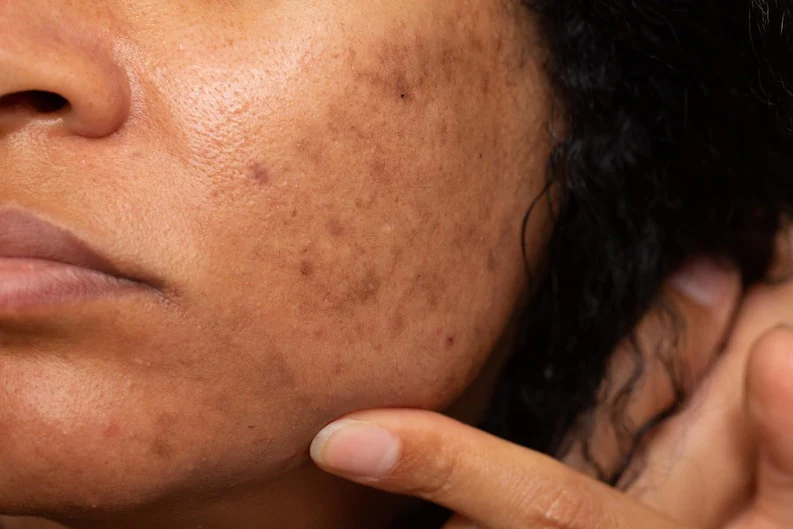
Dark spots are areas of skin that become darker than the surrounding skin due to excess production of melanin. Melanin is the natural pigment that gives skin, hair, and eyes their color. When melanin production becomes uneven or excessive in certain areas, it leads to discoloration that appears as brown, black, gray, or sometimes reddish patches.
Dark spots can be small or large, flat or slightly raised, and may appear on any part of the body. However, they are most common on areas frequently exposed to sunlight such as the face, hands, neck, shoulders, arms, and back. Without proper dark spot skin treatment, these marks can linger for months or even years.
Causes of Dark Spots, Brown Spots, and Sunspots
Sun exposure is the primary cause of sunspots and liver spots. Ultraviolet radiation damages pigment-producing cells, leading to uneven skin tone, especially in individuals who spend long hours outdoors without adequate protection.
Acne scars and skin inflammation can result in post-inflammatory hyperpigmentation. Although these marks may fade over time, medical treatments such as prescription creams or light procedures often speed up the process.
Hormonal changes and certain medications can also affect melanin production and trigger pigmentation. Because different skin types respond differently, professional dermatologist guidance is essential for determining the safest and most effective way to remove dark spots.
Why Do Dark Spots Develop?
Understanding the root cause of dark spots is essential for choosing the right dark spot skin treatment. Treating pigmentation without addressing its cause often leads to slow results or recurring spots.
Sun Exposure
Excessive exposure to ultraviolet (UV) rays is the leading cause of dark spots. When the skin is exposed to the sun, it produces more melanin as a defense mechanism. Over time, this excess melanin accumulates and forms sunspots or age spots. Lack of sunscreen use makes this problem worse.
Acne and Skin Inflammation
After acne heals, it often leaves behind dark marks known as post-inflammatory hyperpigmentation (PIH). This is more common in deeper skin tones, where melanin production is naturally higher. Scratching, squeezing, or picking pimples significantly increases the risk of dark spots.
Hormonal Changes
Hormonal fluctuations during pregnancy, menopause, or while using hormonal contraceptives can trigger melasma. Melasma appears as symmetrical dark patches, especially on the cheeks, forehead, nose, and upper lip. Sun exposure worsens hormonal pigmentation.
Aging
As the skin ages, cell turnover slows down and melanin regulation becomes less efficient. This results in age spots, which are commonly seen on the hands, face, and chest of older adults.
Skin Injuries and Irritation
Cuts, burns, insect bites, allergic reactions, or harsh skincare products can trigger excess melanin production during healing, leaving behind dark marks.
Medications and Medical Conditions
Some medications increase skin sensitivity to sunlight, making pigmentation more likely. Certain health conditions can also affect melanin production.
Types of Dark Spots
Not all dark spots are the same. Identifying the type you have helps determine the most effective dark spot skin treatment.
Sunspots (Solar Lentigines)
These are flat brown or black spots caused by long-term sun exposure. They usually appear on sun-exposed areas and increase with age.
Post-Inflammatory Hyperpigmentation (PIH)
PIH occurs after skin inflammation such as acne,eczema, or injury. The spots are often dark brown or purple and fade slowly without treatment.
Melasma
Melasma presents as large, irregular patches of pigmentation. It is strongly linked to hormonal changes and sun exposure.
Age Spots
Age spots develop over time and are associated with aging and cumulative sun damage.
Natural and Home Remedies for Dark Spot Skin Treatment
Natural remedies are popular because they are affordable, accessible, and gentle. While they work gradually, consistent use can significantly improve skin tone.
Aloe Vera
Aloe vera contains aloin, a compound known to reduce pigmentation and promote skin healing. It also soothes inflammation and hydrates the skin.
How to use: Apply fresh aloe vera gel directly to dark spots before bed and rinse in the morning.
Lemon Juice (With Caution)
Lemon juicecontains vitamin C and citric acid, which can help lighten dark spots. However, it can irritate sensitive skin and increase sun sensitivity.
Tip: Always dilute lemon juice with water and apply sunscreen during the day.
Turmeric
Turmericcontains curcumin, which reduces melanin production and inflammation. It has been used traditionally for skin brightening.
How to use: Mix turmeric with honey or yogurt and apply as a mask 2–3 times weekly.
Apple Cider Vinegar
Apple cider vinegar contains acetic acid, which may help lighten pigmentation over time.
How to use: Dilute with equal parts water and apply with a cotton pad.
Potato Juice
Potatoes contain enzymes and vitamin C that help brighten the skin naturally when used consistently.
Over-the-Counter Dark Spot Skin Treatment Products
OTC products are widely available and effective when used correctly.
Key Ingredients Explained
Vitamin C: Brightens skin, reduces pigmentation, and boosts collagen
Niacinamide: Improves uneven skin tone and strengthens the skin barrier
Alpha Arbutin: Inhibits melanin production safely
Retinol: Speeds up cell turnover and fades dark spots gradually
Kojic Acid: Helps lighten pigmentation caused by sun damage
Results usually appear after 6–12 weeks of consistent use.
Medical and Professional Dark Spot Skin Treatment Options
For stubborn pigmentation, dermatological treatments may be necessary.
Chemical Peels
Chemical peels use acids to exfoliate the skin, remove dead cells, and reduce pigmentation. They improve texture and tone over time.
Laser Therapy
Laser treatments target melanin directly and are effective for deeper pigmentation, but they must be done by professionals.
Microdermabrasion
This treatment gently exfoliates the skin and encourages new cell growth, improving skin tone gradually.
Prescription Creams
Dermatologists may prescribe creams containing hydroquinone or tretinoin for short-term use under supervision.
Daily Skincare Routine for Dark Spot Skin Treatment
A consistent routine supports all treatment methods.
Morning Routine
Gentle cleanser
Vitamin C serum
Moisturizer
Broad-spectrum sunscreen (SPF 30 or higher)
Night Routine
Cleanser
Treatment serum (retinol, niacinamide, or arbutin)
Moisturizer
Why Sunscreen Is Essential in Dark Spot Skin Treatment
Sunscreen is the most important step in preventing and treating dark spots. Without it, treatments will fail and pigmentation will worsen. Sunscreen protects existing spots from darkening and prevents new ones from forming.
Dark Spot Skin Treatment for Different Skin Types
Oily Skin
Use lightweight, oil-free products that won’t clog pores.
Dry Skin
Focus on hydrating treatments combined with brightening ingredients.
Sensitive Skin
Choose gentle formulas and avoid strong acids.
Darker Skin Tones
Treat pigmentation carefully to avoid irritation and rebound hyperpigmentation.
Common Mistakes That Slow Results
Skipping sunscreen
Using too many active ingredients at once
Picking acne or scabs
Expecting instant results
Using harsh bleaching products
How Long Does Dark Spot Skin Treatment Take?
Mild dark spots may fade within 4–8 weeks, while deeper pigmentation can take several months. Consistency and patience are key.
When You Should See a Dermatologist
If dark spots spread rapidly
If home treatments fail after months
If pigmentation appears suddenly
Key Takeaways
Dermatologist-led treatments for dark spots on the face commonly include prescription-strength creams, chemical peels, and laser therapy. Each option is selected based on the individual’s skin type, the underlying cause of pigmentation, and the severity of the spots.
The timeline for visible improvement varies depending on the treatment method. Topical creams usually take several weeks to show results, chemical peels may reveal changes within days, and laser treatments often require multiple sessions for optimal outcomes.
Treatment costs depend on factors such as the chosen procedure, the number of sessions required, and the overall condition of the skin. This is why a personalized consultation with a dermatologist is essential.
Proper preparation before a dermatologist appointment—such as documenting medical history, current skincare products, and important concerns—helps improve treatment planning and overall results.
Long-term success relies on consistent sun protection, regular follow-up care, and lifestyle changes that reduce the risk of new pigmentation from forming.
Dermatologist-Recommended Treatments and Their Effectiveness
Dermatologists typically start treatment with prescription-strength creams. These formulations may contain active ingredients such as hydroquinone, kojic acid, or retinoids, which work gradually to lighten excess pigmentation. A dermatologist-prescribed dark spot removal cream is more potent than over-the-counter options and should always be used under professional supervision to minimize side effects.
The most effective treatment for brown spots on the face depends largely on the cause of pigmentation and the patient’s skin type. For sunspots or liver spots caused by prolonged UV exposure, dermatologists often combine topical treatments with in-office procedures. Selecting treatments that are compatible with the patient’s skin tone helps reduce irritation while improving overall effectiveness.
Chemical peels and microdermabrasion are popular choices for individuals seeking noticeable improvements within a shorter timeframe. Chemical peels work by exfoliating damaged outer layers of the skin, while microdermabrasion gently smooths the skin’s surface and improves tone. Both treatments are effective for post-inflammatory hyperpigmentation and mild discoloration.
Laser treatment for dark spots offers precise targeting of excess pigment. By using focused energy to break down melanin deposits, laser therapy is especially effective for sun-related pigmentation. Advances in laser technology have made these treatments safer for a wide range of skin types, though careful customization is necessary to avoid complications. Multiple sessions are often required for best results.
Many patients ask about the most effective dermatologist treatment for dark spots on the face. In reality, the best outcomes usually come from a customized combination of treatments, such as prescription creams, chemical peels, and laser therapy, tailored to the individual’s skin needs.
Before recommending a treatment plan, dermatologists assess the pattern and cause of pigmentation—whether it stems from acne scars, sun damage, or hormonal changes—to determine the safest and most effective approach.
For patients seeking faster improvement, procedures like laser therapy or medium-depth chemical peels may produce visible changes within weeks. However, safety remains a priority, and treatments must be carefully managed.
Each option carries potential side effects, including redness, peeling, or temporary darkening of the skin. According to Dr. Atkins, professional medical supervision is essential to achieve noticeable results while protecting skin health.
What to Expect During and After Treatment
Many patients want to know how soon results will appear. With topical creams and skin-lightening agents, gradual improvement is typically seen after several weeks of consistent use. Chemical peels may produce visible changes in skin tone within a few days, while laser treatments often require multiple sessions to achieve full results.
After procedures such as chemical peels or laser therapy, temporary side effects like redness, swelling, or peeling are common. These reactions usually subside within a few days, although some patients may experience temporary darkening before the skin begins to lighten. Carefully following post-treatment instructions helps reduce risks and supports proper healing.
Most dermatologist treatments for dark spots involve scheduled follow-up visits. These appointments allow the dermatologist to track progress, adjust treatment plans if necessary, and ensure results meet expectations. Maintenance visits may be needed, particularly for individuals frequently exposed to sunlight.
Cost of Professional Dark Spot Removal
The cost of professional dark spot removal varies depending on the treatment method. Prescription creams may range from $50 to $200 per month and often require prolonged use. In-office treatments such as chemical peels typically cost between $150 and $500 per session, while laser therapy may range from $300 to $1,500 per session, depending on the technology used and the provider’s expertise.
Pricing is influenced by several factors, including the type of procedure, the number of sessions required, and the severity of pigmentation. Individuals with extensive sun damage or deeper discoloration often need additional treatments, which increases the total cost.
Doctor Visit Preparation Tips
Preparing in advance for a dermatologist appointment can significantly improve treatment planning. Patients are encouraged to note when their dark spots first appeared and any changes observed over time. Bringing a list of current medications, supplements, and skincare products is also helpful.
Sharing a history of past skin conditions—such as acne or post-inflammatory hyperpigmentation—can guide treatment decisions. It is equally important to inform the dermatologist about sun exposure habits, especially if sunscreen use has been inconsistent. These details help determine whether sunspots, liver spots, or other factors are responsible for the pigmentation.
Important questions to ask your dermatologist include:
Which treatment options are most suitable for my skin type?
How long will it take to see visible improvement?
What side effects should I expect, and how can I protect my skin during recovery?
These steps allow Dr. Alicia Atkins and the DermonDemand team to develop a personalized, safe, and effective treatment plan.
Finding a Dermatologist Near You
When searching for dermatologist treatment for dark spots on the face, it is important to choose a board-certified professional. Proper credentials ensure that procedures such as laser therapy and prescription skin-lightening treatments are performed safely.
Before beginning treatment, patients should ask:
Which treatments are best suited for my skin tone?
How many sessions will I need?
What side effects or downtime should I expect?
Clear communication helps build trust and ensures skin is protected throughout the treatment process.
Can Dark Spots Be Removed Permanently?
Many patients wonder whether dark spots can be removed permanently. While treatments can deliver long-lasting results, ongoing maintenance is necessary. Continued sun exposure can trigger new pigmentation, even after successful treatment.
For those searching for ways to remove dark spots from the face in just two days using natural remedies, it’s important to note that such methods may provide temporary brightness but rarely produce lasting results. Dermatologist-guided treatments remain the most reliable and safe option.
Some individuals prefer natural approaches for fading age spots. While gentle exfoliation and consistent sun protection can help, professional guidance ensures safer and more effective outcomes. Using quality skincare products alongside daily sun protection significantly reduces the risk of recurrence.
Prevention and long-term maintenance are crucial. Daily sunscreen use, protective clothing, avoiding tanning beds, and regular dermatologist check-ups all help prevent new pigmentation and support overall skin health.
Conclusion
Dark spot skin treatment is a gradual process that requires understanding your skin, choosing the right products, and protecting your skin daily. With patience, consistency, and proper care, clear and even-toned skin is achievable.
A graduate of Computer Science and Information Management Technology. Diploma – Caregiving, Certificates – Dementia and Diabetes Awareness and Management. A researcher, blogger, songwriter, singer and acoustic guitarist. Born in an environment where natural talents such as healing are imparted at our natural birth. This natural talents of healing is the result of our genetic inheritance and the training from family environment.
We use cookies on our website to give you the most relevant experience by remembering your preferences and repeat visits. By clicking “Accept All”, you consent to the use of ALL the cookies. However, you may visit "Cookie Settings" to provide a controlled consent.
This website uses cookies to improve your experience while you navigate through the website. Out of these, the cookies that are categorized as necessary are stored on your browser as they are essential for the working of basic functionalities of the website. We also use third-party cookies that help us analyze and understand how you use this website. These cookies will be stored in your browser only with your consent. You also have the option to opt-out of these cookies. But opting out of some of these cookies may affect your browsing experience.
Necessary cookies are absolutely essential for the website to function properly. These cookies ensure basic functionalities and security features of the website, anonymously.
Cookie
Duration
Description
cookielawinfo-checkbox-analytics
11 months
This cookie is set by GDPR Cookie Consent plugin. The cookie is used to store the user consent for the cookies in the category "Analytics".
cookielawinfo-checkbox-functional
11 months
The cookie is set by GDPR cookie consent to record the user consent for the cookies in the category "Functional".
cookielawinfo-checkbox-necessary
11 months
This cookie is set by GDPR Cookie Consent plugin. The cookies is used to store the user consent for the cookies in the category "Necessary".
cookielawinfo-checkbox-others
11 months
This cookie is set by GDPR Cookie Consent plugin. The cookie is used to store the user consent for the cookies in the category "Other.
cookielawinfo-checkbox-performance
11 months
This cookie is set by GDPR Cookie Consent plugin. The cookie is used to store the user consent for the cookies in the category "Performance".
viewed_cookie_policy
11 months
The cookie is set by the GDPR Cookie Consent plugin and is used to store whether or not user has consented to the use of cookies. It does not store any personal data.
Functional cookies help to perform certain functionalities like sharing the content of the website on social media platforms, collect feedbacks, and other third-party features.
Performance cookies are used to understand and analyze the key performance indexes of the website which helps in delivering a better user experience for the visitors.
Analytical cookies are used to understand how visitors interact with the website. These cookies help provide information on metrics the number of visitors, bounce rate, traffic source, etc.
Advertisement cookies are used to provide visitors with relevant ads and marketing campaigns. These cookies track visitors across websites and collect information to provide customized ads.