Home Remedies for Yeast Infection: Natural Approaches That May Help
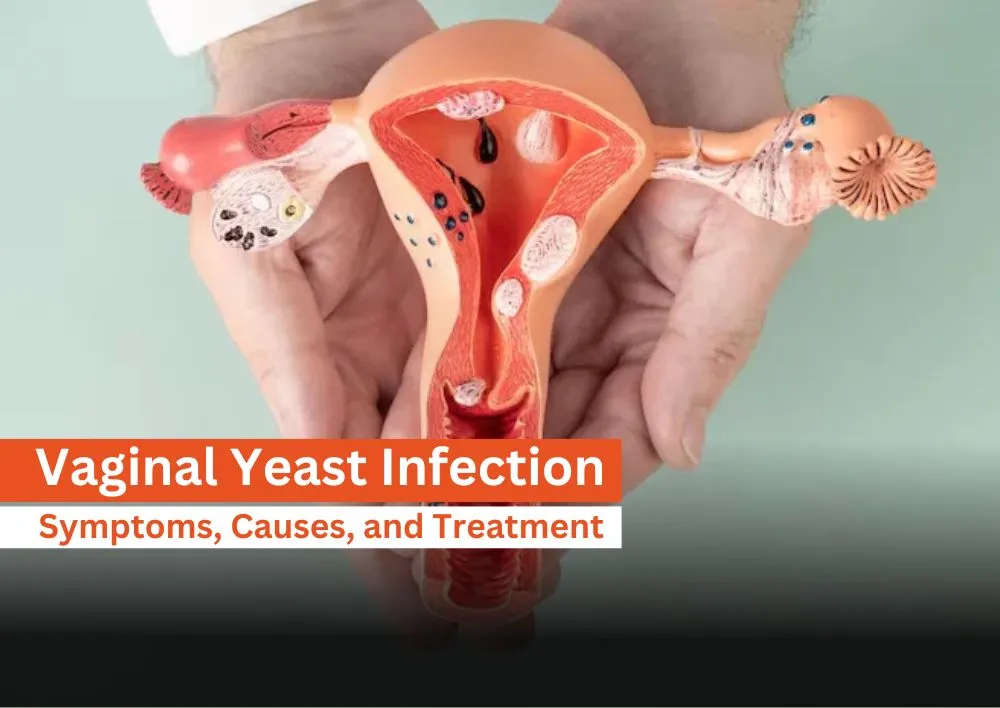
Yeast infections, also known as candidiasis, are fungal infections caused by the overgrowth of Candida albicans. They can affect various parts of the body, including the genitals, mouth, skin, and digestive tract.
While medical treatment is often necessary, there are several effective home remedies for yeast infection that may provide relief and support healing when used alongside your doctor’s recommendations.
Natural Topical Remedies for Yeast Infections
One of the commonly recommended home remedies for yeast infection is a chamomile sitz bath. Chamomile contains natural antifungal and anti-inflammatory properties that may help soothe irritation, reduce inflammation, and inhibit fungal growth in affected areas.
Other potent natural antifungal agents include garlic, tea tree oil, and coconut oil. These ingredients are rich in compounds with antioxidant and antimicrobial benefits.
Garlic,in particular, has allicin—a substance known for its antifungal capabilities—while coconut oil contains lauric acid, which has been shown to disrupt yeast cell membranes. Tea tree oil, when properly diluted, may also be applied externally to affected areas for antifungal support.
Dietary Support: Eating to Prevent and Treat Yeast Infections
Another highly effective approach to home remedies for yeast infection involves dietary modifications. Consuming foods that support gut health and immune function plays a key role in maintaining a healthy balance of intestinal flora and preventing fungal overgrowth.
Incorporate probiotic-rich foods like yogurt and kefir to introduce beneficial bacteria into your digestive system. These probiotics help restore microbial balance, which can be disrupted during a yeast infection.
Pairing these with prebiotic foods such as whole grains, legumes, and garlic can feed the good bacteria and enhance their growth.
Additionally, focus on anti-inflammatory foods like fresh fruits, vegetables, and healthy fats (such as avocados, nuts, and olive oil). These foods help to regulate immune response and reduce inflammation, both of which are vital for fighting infections.
Effective At-Home Remedies Backed by Research
Yogurt and Honey
A 2019 literature review highlighted the potential benefits of combining yogurt and honey as a complementary treatment for vaginal yeast infections. When used either orally or topically, this mixture was found to significantly alleviate symptoms like itching, redness, and irritation caused by fungal overgrowth.
It’s important to note that while yogurt and honey can support recovery, they should only be used alongside medical advice and not as a standalone treatment. Following your doctor’s guidance is essential for effective and safe management of symptoms.
To further support your recovery, you might also consider exploring the candida diet, which emphasizes foods to eat and avoid in order to starve harmful yeast and rebalance your gut microbiome.
Boric Acid
Boric acid is another well-known and effective home remedy for yeast infection, particularly for recurrent or resistant cases. Available over the counter in the form of vaginal suppositories, boric acid has been shown to provide relief within 7 to 10 days of use.
A prominent study reported a 92% effectiveness rate in treating yeast infections using boric acid suppositories, with participants expressing satisfaction due to the simplicity and low-mess application of the method.
However, this treatment should be used strictly according to package directions and only under the supervision of a healthcare provider, especially for pregnant women.
Stryphnodendron adstringens Gargle for Oral Thrush
One powerful natural remedy for oral yeast infections, also known as oral thrush, is the use of Stryphnodendron adstringens, a medicinal plant known for its antifungal and antibacterial properties. Commonly used in South American herbal medicine, the bark of this plant can be boiled to make a therapeutic gargle.
Ingredients:
1 tablespoon (approximately 3g) of Stryphnodendron adstringens bark
150 ml of water
Instructions:
Boil the water with the bark for 10 to 15 minutes.
Remove from heat and cover, allowing it to steep and cool.
Strain the mixture.
Use the infusion to gargle 2 to 3 times per day.
This gargle is one of the lesser-known but promising home remedies for yeast infection of the mouth. However, it is not recommended for pregnant or breastfeeding women due to a lack of safety data in these populations.
Coconut Oil and Tea Tree Oil Ointment for Genital Yeast Infections
Combining coconut oil and tea tree essential oil creates a potent topical remedy for vaginal or penile yeast infections. Coconut oil is rich in lauric and caprylic acids, which have been shown to inhibit fungal growth, while tea tree oil is widely recognized for its antimicrobial and antifungal potency.
Ingredients:
1 tablespoon of solid (unmelted) coconut oil
2 drops of tea tree essential oil
Instructions:
Wash your hands thoroughly.
In a clean bowl, mix the coconut oil and tea tree oil until fully blended.
Apply gently to the genital area once a day for up to 5 days.
This natural ointment is a simple yet effective addition to your list of home remedies for yeast infection, especially for those seeking chemical-free treatment options. Be sure to do a patch test before use to avoid irritation.
Chamomile Sitz Bath for Soothing Relief
Chamomile is a gentle herbal remedy known for its anti-inflammatory, antimicrobial, and antifungal properties. A sitz bath prepared with chamomile teacan help relieve discomfort caused by genital yeast infections, including itching, redness, and burning.
Ingredients:
3 tablespoons of dried chamomile flowers
1 liter (33 oz) of water
Instructions:
Bring the water to a boil, then remove from heat.
Add the chamomile flowers and cover. Allow to steep for about 10 minutes.
Strain the tea and pour it into your sitz basin, adding enough warm water to make it comfortable.
After proper genital hygiene, sit in the bath for about 20 minutes, once daily.
Alternatively, you can soak a sterile gauze in the chamomile infusion and gently pat the affected area once a day. This is one of the most soothing home remedies for yeast infection, offering both comfort and healing support.
Propolis and Honey for Immune Support
Propolis is a natural resin collected by bees and is rich in antioxidants, antimicrobial, and antifungal compounds. It helps to strengthen the immune systemand may inhibit the growth of Candida albicans, the fungus responsible for most yeast infections.
Ingredients:
20 drops of propolis extract
1 tablespoon of honey
Instructions:
Mix the propolis extract into the honey until well combined.
Consume once daily for 20 to 30 days as an immune-boosting supplement.
This remedy is especially useful for those prone to recurrent yeast infections. However, it is not suitable for individuals with bee allergies or those allergic to components of propolis. Pregnant or breastfeeding women should consult their doctor before use.
Apple Cider Vinegar Sitz Bath for Genital Yeast Infections
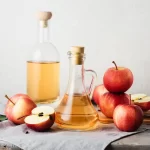
Apple cider vinegar (ACV) is a popular natural remedy, praised for its high concentration of gallic, lactic, and citric acids—all of which exhibit antimicrobial and anti-inflammatory properties. When diluted properly, ACV can serve as a soothing home remedy for yeast infection, particularly in the genital region.
Ingredients:
2 tablespoons of raw apple cider vinegar
1 liter (33 oz) of warm water
How to Prepare and Use:
Mix the apple cider vinegar into the warm water until fully dissolved.
Pour the solution into a sitz bath or basin.
After cleansing the genital area, sit in the bath for approximately 20 minutes, once daily.
Important Note: Always dilute apple cider vinegar before topical use to avoid skin irritation. This remedy is not recommended for pregnant women, as the effects on pregnancy have not been thoroughly studied.
Sodium Bicarbonate Sitz Bath to Balance pH
Sodium bicarbonate, commonly known as baking soda, is an alkaline compound that can help neutralize excess vaginal acidity, creating an environment that’s less hospitable to Candida fungi. This makes it one of the more accessible home remedies for yeast infection, especially for those seeking relief from intense itching and irritation.
Ingredients:
6 tablespoons of sodium bicarbonate
3 liters (100 oz) of warm water
How to Prepare and Use:
Dissolve the baking soda in warm water thoroughly.
Pour the mixture into a sitz bath.
After proper hygiene, soak in the bath for 20 minutes, twice per day, or as needed to relieve symptoms.
This simple remedy can offer quick symptomatic relief, though it should be used with caution and not exceed recommended frequency to avoid disrupting healthy flora.
Oregano Essential Oil for Skin Yeast Infections
Oregano essential oil is a powerful natural antifungal and antimicrobial agent. Its high content of carvacrol and thymol helps inhibit the growth of Candida albicans, making it an effective option among home remedies for yeast infection on the skin.
Ingredients:
2 drops of oregano essential oil
1 tablespoon of a carrier oil (such as coconut oil, olive oil, or almond oil)
How to Prepare and Use:
Combine the oregano oil and the carrier oil in a small bowl until mixed evenly.
Wash your hands thoroughly.
Gently apply the mixture to the affected skin area, massaging lightly to allow absorption.
Precautions: Oregano oil is not suitable for individuals allergic to related herbs like thyme, mint, basil, or sage, as they belong to the same botanical family. It should not be used by children or by women who are pregnant or breastfeeding, due to its potency and lack of safety data in those groups.
These natural options serve as effective home remedies for yeast infection when used responsibly and in conjunction with medical advice. From soothing sitz baths to powerful essential oils, these remedies offer gentle ways to ease symptoms and support healing—naturally.
Stryphnodendron adstringens Sitz Bath for Natural Fungal Relief
Among the most cost-effective and gentle home remedies for yeast infection, a sitz bath using Stryphnodendron adstringens stands out for its powerful natural properties and minimal side effects. Commonly known as barbatimão in Brazilian herbal medicine, this medicinal tree bark is rich in flavonoids, terpenes, and tannins—compounds with antibacterial, antifungal, and astringent action.
This remedy is especially beneficial for genital yeast infections, helping to soothe inflammation, reduce fungal growth, and support tissue healing.
Ingredients:
20 grams of Stryphnodendron adstringens bark
1 liter (33 oz) of water
How to Prepare and Use:
Bring the water to a boil and add the tree bark.
Let it boil gently for 10 to 15 minutes.
Remove from heat, cover, and allow the mixture to steep until cool.
Strain the infusion and pour it into your sitz basin, adding enough additional warm water to comfortably fill the basin.
After performing routine genital hygiene, sit in the bath for 20 minutes, once daily.
This natural sitz bath can help relieve itching, burning, and redness commonly associated with yeast infections, all without synthetic chemicals or preservatives.
Safety Note: The safety of Stryphnodendron adstringens in pregnant or breastfeeding women has not yet been fully established, so it is not recommended for use in these groups without medical supervision.
Conclusion: Embracing Natural Solutions with Caution and Care
Exploring home remedies for yeast infection can be a valuable approach for individuals seeking natural, supportive treatments alongside or in place of conventional therapies. From soothing sitz baths using medicinal plants like chamomile, apple cider vinegar, or Stryphnodendron adstringens, to topical applications of coconut oil, tea tree oil, or oregano essential oil, these remedies offer antifungal, anti-inflammatory, and immune-supportive properties that may relieve common symptoms such as itching, burning, and irritation.
Additionally, dietary changes that include probiotics, prebiotics, and anti-inflammatory foods, along with natural supplements like propolis, can help restore the body’s internal balance and strengthen the immune system—key components in preventing and managing candidiasis.
However, it’s important to approach these remedies responsibly:
Always consult with a healthcare provider, especially if symptoms persist or worsen.
Pregnant or breastfeeding women should avoid certain remedies unless cleared by a doctor.
Be cautious with essential oils and plant extracts, which can cause allergic reactions or irritation if misused.
In summary, while these home remedies for yeast infection offer promising benefits, they are most effective when used as part of a holistic treatment plan, tailored to individual needs and guided by medical advice. When combined with proper hygiene, a healthy diet, and timely care, these natural options can support healing and help prevent future infections—gently and effectively.
A graduate of Computer Science and Information Management Technology. Diploma – Caregiving, Certificates – Dementia and Diabetes Awareness and Management. A researcher, blogger, songwriter, singer and acoustic guitarist. Born in an environment where natural talents such as healing are imparted at our natural birth. This natural talents of healing is the result of our genetic inheritance and the training from family environment.
Related Posts:
Urticaria Home Remedies Amazing Urticaria Home Remedies In order to grab immediate urticaria…
We use cookies on our website to give you the most relevant experience by remembering your preferences and repeat visits. By clicking “Accept All”, you consent to the use of ALL the cookies. However, you may visit "Cookie Settings" to provide a controlled consent.
This website uses cookies to improve your experience while you navigate through the website. Out of these, the cookies that are categorized as necessary are stored on your browser as they are essential for the working of basic functionalities of the website. We also use third-party cookies that help us analyze and understand how you use this website. These cookies will be stored in your browser only with your consent. You also have the option to opt-out of these cookies. But opting out of some of these cookies may affect your browsing experience.
Necessary cookies are absolutely essential for the website to function properly. These cookies ensure basic functionalities and security features of the website, anonymously.
Cookie
Duration
Description
cookielawinfo-checkbox-analytics
11 months
This cookie is set by GDPR Cookie Consent plugin. The cookie is used to store the user consent for the cookies in the category "Analytics".
cookielawinfo-checkbox-functional
11 months
The cookie is set by GDPR cookie consent to record the user consent for the cookies in the category "Functional".
cookielawinfo-checkbox-necessary
11 months
This cookie is set by GDPR Cookie Consent plugin. The cookies is used to store the user consent for the cookies in the category "Necessary".
cookielawinfo-checkbox-others
11 months
This cookie is set by GDPR Cookie Consent plugin. The cookie is used to store the user consent for the cookies in the category "Other.
cookielawinfo-checkbox-performance
11 months
This cookie is set by GDPR Cookie Consent plugin. The cookie is used to store the user consent for the cookies in the category "Performance".
viewed_cookie_policy
11 months
The cookie is set by the GDPR Cookie Consent plugin and is used to store whether or not user has consented to the use of cookies. It does not store any personal data.
Functional cookies help to perform certain functionalities like sharing the content of the website on social media platforms, collect feedbacks, and other third-party features.
Performance cookies are used to understand and analyze the key performance indexes of the website which helps in delivering a better user experience for the visitors.
Analytical cookies are used to understand how visitors interact with the website. These cookies help provide information on metrics the number of visitors, bounce rate, traffic source, etc.
Advertisement cookies are used to provide visitors with relevant ads and marketing campaigns. These cookies track visitors across websites and collect information to provide customized ads.