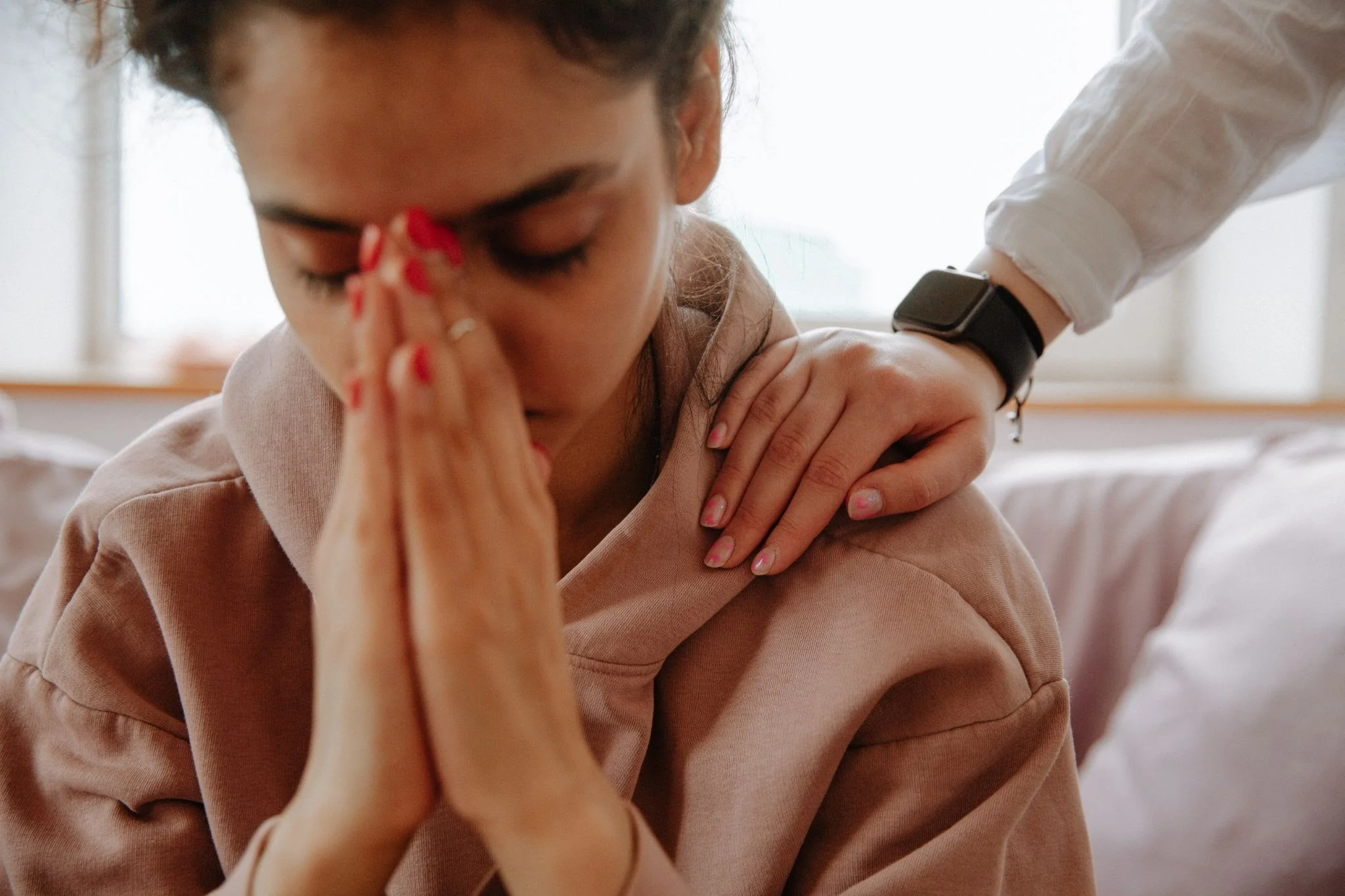
Gentle yoga can support stroke recovery by improving balance, flexibility, and strength in a safe, low-impact way.
Slow movements and supported poses help retrain the body, rebuild coordination, and reduce stiffness without overexertion.
Breathing and relaxation practices can also lower stress, improve focus, and boost confidence, helping survivors reconnect with their bodies and feel more in control during recovery.
Stroke is one of the leading causes of long-term disability worldwide, often leaving survivors with physical, cognitive, and emotional challenges that significantly affect quality of life. Recovery from stroke is a complex, ongoing process that extends well beyond hospitalization and formal rehabilitation programs.
For many stroke survivors, Stroke home-care becomes the primary setting for recovery, where daily activities, therapy exercises, and emotional adjustment take place. In this context, complementary therapies that are safe, adaptable, and accessible play a crucial role in supporting rehabilitation outcomes.
Gentle yoga has emerged as a promising supportive therapy for stroke recovery, particularly in home-care environments. Unlike more vigorous forms of exercise, gentle yoga emphasizes slow movements, controlled breathing, body awareness, and relaxation.
These elements align closely with the needs of stroke survivors, many of whom experience muscle weakness, impaired balance, reduced mobility, fatigue, and psychological distress. When practiced appropriately, gentle yoga can support physical rehabilitation, enhance mental well-being, and promote a sense of independence and self-efficacy.
This essay explores the benefits of gentle yoga for stroke recovery within home-care settings. It examines how gentle yoga supports physical rehabilitation, neurological recovery, emotional health, and overall quality of life. It also considers practical considerations for caregivers and stroke survivors, highlighting how gentle yoga can be safely integrated into home-based care plans.
Understanding Stroke and the Challenges of Recovery
A stroke occurs when blood flow to the brain is interrupted, either due to a blocked blood vessel (ischemic stroke) or bleeding in the brain (hemorrhagic stroke). The resulting lack of oxygen and nutrients causes brain cells to become damaged or die, leading to a wide range of impairments.
These may include paralysis or weakness on one side of the body, difficulty with speech and swallowing, impaired coordination, memory loss, emotional instability, and chronic fatigue.
Recovery from stroke varies greatly from person to person and depends on factors such as the severity of the stroke, the area of the brain affected, age, overall health, and access to rehabilitation services.
While formal rehabilitation typically begins in hospitals or outpatient clinics, much of the long-term recovery process occurs at home. Home-care stroke recovery often requires a combination of physical therapy, occupational therapy, lifestyle adjustments, and emotional support.
One of the major challenges in stroke recovery is maintaining consistency with therapeutic activities. Traditional exercises may feel repetitive or discouraging, particularly for individuals coping with pain, fear of falling, or reduced motivation. Gentle yoga offers an alternative approach that integrates physical movement with relaxation and mindfulness, making rehabilitation feel more holistic and less clinical.
What Is Gentle Yoga?
Gentle yoga is a modified form of yoga that focuses on slow, controlled movements, accessible postures, and mindful breathing. It avoids rapid transitions, intense stretching, or physically demanding poses, making it suitable for individuals with limited mobility, chronic illness, or neurological conditions. Gentle yoga often incorporates seated or supported poses, the use of props such as chairs and cushions, and ample time for rest.
In the context of stroke recovery, gentle yoga is not about achieving perfect postures or physical performance. Instead, it emphasizes awareness of the body, gradual improvement, and acceptance of individual limitations. This approach aligns well with rehabilitation goals, which prioritize safety, adaptability, and long-term sustainability.
Gentle yoga also integrates breathing techniques and relaxation practices, which help regulate the nervous system and reduce stress.These elements are particularly valuable for stroke survivors, who may experience anxiety, depression, or emotional volatility as part of their recovery journey.
Physical Benefits of Gentle Yoga for Stroke Recovery
Improving Strength and Muscle Tone
Muscle weakness is one of the most common consequences of stroke, often affecting one side of the body more than the other. Gentle yoga supports gradual muscle strengthening through slow, controlled movements that engage both large and small muscle groups.
Even subtle actions, such as lifting an arm with awareness or gently pressing the feet into the floor, can help rebuild strength over time.
Unlike high-intensity exercise, gentle yoga allows stroke survivors to work within their current capabilities. This reduces the risk of overexertion and injury while still encouraging consistent movement. Regular practice can help prevent muscle atrophy and support the reactivation of weakened muscles.
Enhancing Balance and Coordination
Balance impairment is a major concern for stroke survivors, particularly in home environments where falls can have serious consequences. Gentle yoga emphasizes stability, alignment, and controlled transitions, all of which contribute to improved balance and coordination.
Many gentle yogaposes can be performed seated or with support, allowing individuals to safely practice weight shifting and postural awareness.
Over time, these practices can enhance proprioception, the body’s ability to sense its position in space, which is often disrupted after a stroke. Improved balance not only reduces fall risk but also increases confidence in daily activities.
Increasing Flexibility and Range of Motion
Stroke-related spasticity and stiffness can limit joint mobility and cause discomfort. Gentle yoga promotes flexibility through slow stretching and sustained poses, helping to release muscle tension and improve joint range of motion. These movements are particularly beneficial for areas commonly affected by stroke, such as the shoulders, hips, and hands.
In a home-care setting, gentle yoga can complement prescribed physical therapy exercisesby addressing stiffness in a soothing and non-threatening way. Increased flexibility can make everyday tasks such as dressing, bathing, and walking more manageable and less painful.
Supporting Neurological Recovery and Brain Health
One of the most significant aspects of stroke recovery is neuroplasticity, the brain’s ability to reorganize and form new neural connections. Movement-based therapies play a crucial role in stimulating this process, and gentle yoga offers a unique combination of physical activity and mindful attention that may support neurological healing.
The slow, deliberate movements practiced in gentle yoga encourage focused attention and sensory feedback. This mindful engagement helps reinforce the connection between the brain and the body, which is essential for relearning motor skills. By pairing movement with conscious awareness, gentle yoga may enhance motor control and coordination over time.
Breathing practices included in gentle yoga also support brain health by improving oxygenation and regulating the autonomic nervous system. Deep, controlled breathing can enhance circulation, reduce stress hormones, and promote a calmer mental state, all of which create favorable conditions for recovery.
Emotional and Psychological Benefits
Reducing Anxiety and Depression
Emotional challenges are common after a stroke, with many survivors experiencing anxiety, depression, or feelings of frustration and grief. These emotional responses can negatively affect motivation and engagement in rehabilitation. Gentle yoga addresses mental health directly through relaxation techniques, breathing exercises, and mindfulness practices.
The calming nature of gentle yoga helps activate the parasympathetic nervous system, which promotes relaxation and reduces stress. Regular practice can lower anxiety levels, improve mood, and foster a sense of emotional stability. For individuals receiving home care, this emotional support is especially valuable, as isolation and reduced social interaction may exacerbate psychological distress.
Enhancing Self-Efficacy and Confidence
Stroke recovery often involves a loss of independence, which can impact self-esteem and confidence. Gentle yoga empowers stroke survivors by encouraging active participation in their own care. The adaptability of yoga allows individuals to experience success at their own pace, reinforcing a sense of capability and progress.
Achieving small improvements, such as holding a pose for a few seconds longer or breathing more comfortably, can boost confidence and motivation. This sense of accomplishment may translate into greater engagement with other rehabilitation activities and daily tasks.
Benefits for Sleep and Fatigue Management
Fatigue is a common and often debilitating symptom after a stroke. It can interfere with rehabilitation efforts and daily functioning. Gentle yoga helps manage fatigue by balancing gentle physical activity with restorative relaxation.
Yoga-based relaxation techniques, such as guided body awareness and deep breathing, can improve sleep quality by calming the nervous system and reducing mental restlessness. Better sleep supports overall recovery by enhancing energy levels, cognitive function, and emotional resilience.
In home-care settings, incorporating gentle yoga into daily routines can provide a structured yet flexible way to manage energy levels. Short sessions can be adapted to individual stamina, making yoga a sustainable practice even for those experiencing significant fatigue.
Conclusion
Gentle yoga can also benefit caregivers and the overall home-care dynamic. When caregiversparticipate in or assist with yoga sessions, it can strengthen the caregiver patient relationship and create shared moments of calm and connection. This collaborative approach may reduce caregiver stress and improve communication.
For stroke survivors who feel isolated, gentle yoga can foster a sense of routine and purpose. Even when practiced alone, the mindful nature of yogaencourages self-reflection and emotional grounding, which can counter feelings of loneliness.
Additionally, gentle yoga requires minimal equipment and space, making it highly accessible in home environments. With appropriate guidance, it can be practiced safely without the need for specialized facilities or costly resources.
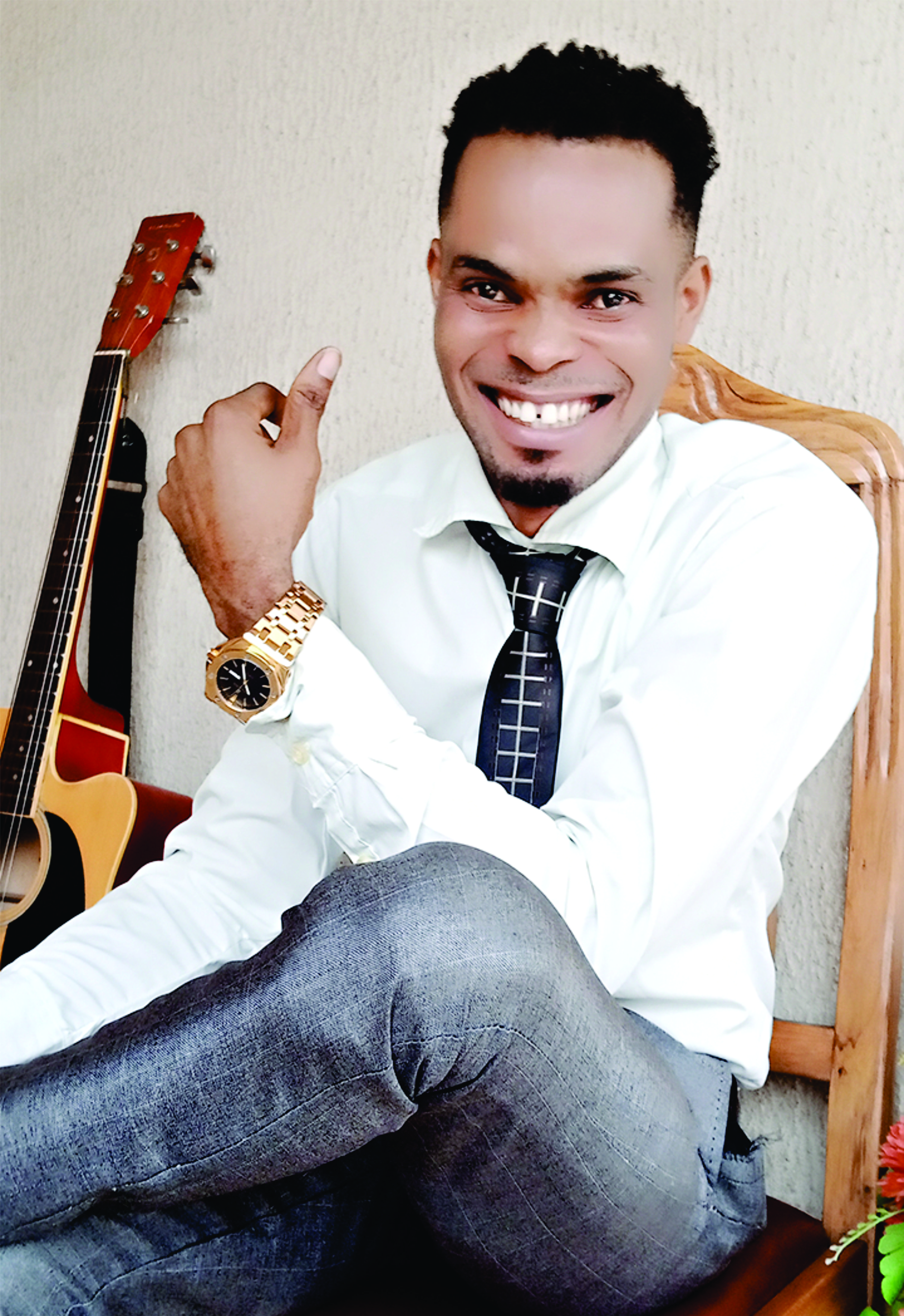
A graduate of Computer Science and Information Management Technology. Diploma – Caregiving, Certificates – Dementia and Diabetes Awareness and Management. A researcher, blogger, songwriter, singer and acoustic guitarist. Born in an environment where natural talents such as healing are imparted at our natural birth. This natural talents of healing is the result of our genetic inheritance and the training from family environment.
We use cookies on our website to give you the most relevant experience by remembering your preferences and repeat visits. By clicking “Accept All”, you consent to the use of ALL the cookies. However, you may visit "Cookie Settings" to provide a controlled consent.
This website uses cookies to improve your experience while you navigate through the website. Out of these, the cookies that are categorized as necessary are stored on your browser as they are essential for the working of basic functionalities of the website. We also use third-party cookies that help us analyze and understand how you use this website. These cookies will be stored in your browser only with your consent. You also have the option to opt-out of these cookies. But opting out of some of these cookies may affect your browsing experience.
Necessary cookies are absolutely essential for the website to function properly. These cookies ensure basic functionalities and security features of the website, anonymously.
Cookie
Duration
Description
cookielawinfo-checkbox-analytics
11 months
This cookie is set by GDPR Cookie Consent plugin. The cookie is used to store the user consent for the cookies in the category "Analytics".
cookielawinfo-checkbox-functional
11 months
The cookie is set by GDPR cookie consent to record the user consent for the cookies in the category "Functional".
cookielawinfo-checkbox-necessary
11 months
This cookie is set by GDPR Cookie Consent plugin. The cookies is used to store the user consent for the cookies in the category "Necessary".
cookielawinfo-checkbox-others
11 months
This cookie is set by GDPR Cookie Consent plugin. The cookie is used to store the user consent for the cookies in the category "Other.
cookielawinfo-checkbox-performance
11 months
This cookie is set by GDPR Cookie Consent plugin. The cookie is used to store the user consent for the cookies in the category "Performance".
viewed_cookie_policy
11 months
The cookie is set by the GDPR Cookie Consent plugin and is used to store whether or not user has consented to the use of cookies. It does not store any personal data.
Functional cookies help to perform certain functionalities like sharing the content of the website on social media platforms, collect feedbacks, and other third-party features.
Performance cookies are used to understand and analyze the key performance indexes of the website which helps in delivering a better user experience for the visitors.
Analytical cookies are used to understand how visitors interact with the website. These cookies help provide information on metrics the number of visitors, bounce rate, traffic source, etc.
Advertisement cookies are used to provide visitors with relevant ads and marketing campaigns. These cookies track visitors across websites and collect information to provide customized ads.