Understanding the Right Diet for Gastritis and Stomach Ulcers
What food to avoid for stomach ulcer? Following the right kind of diet is an important part of managing gastritis or stomach ulcers. When you’re dealing with these digestive issues, your food choices can either help you heal or make your symptoms worse.
That’s why knowing what food to avoid for stomach ulcer is just as important as knowing what to eat.
The main goal of a gastritis or ulcer-friendly diet is to ease stomach discomfort, reduce irritation, and prevent the condition from getting worse.
To achieve this, meals should be balanced, easy to digest, and low in fat, sugar, and acidic content. These simple changes can make a big difference in how your stomach feels day-to-day.
However, it’s good to remember that not everyone reacts the same way to food. What bothers one person’s stomach may not affect another at all. Because of this, the best approach is a personalized diet plan tailored to your needs.
A visit to a registered dietitian or nutritionist can help you figure out the best diet based on your symptoms, lifestyle, and preferences.
One of the most effective tools in this journey is a food journal. By keeping track of everything you eat and drink throughout the day, you can start to spot patterns. You’ll be able to clearly see what food to avoid for stomach ulcer flare-ups. If you notice a certain food triggers pain, bloating, or discomfort, you can make a note and cut it out of your diet.
In addition to watching your diet, there are also natural remedies that can help ease symptoms. For example, potato juice is known to coat the stomach lining and reduce acidity. Chard tea is another gentle drink that may help calm an irritated stomach. While these home remedies aren’t a cure, they can be a soothing part of your daily routine.
What to Eat If You Have Gastritis or a Stomach Ulcer
When you’re dealing with gastritis or a stomach ulcer, one of the best things you can do is eat foods that are gentle on your stomach and easy to digest. Choosing the right foods not only helps reduce irritation but also supports healing over time. While learning what food to avoid for stomach ulcer, it’s equally important to know what’s safe and nourishing to include in your meals.
Here are some stomach-friendly food options you can consider:
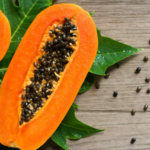
Fruits – Most fruits are okay to eat, but if you’re experiencing acid reflux or stomach pain, it’s best to avoid acidic fruits like oranges, lemons, limes, and pineapples. Instead, go for milder options like bananas, apples (especially peeled), papaya, and pears.
Cooked Vegetables – Vegetables are healthy, but raw ones can be hard to digest when your stomach is sensitive. It’s better to eat them steamed, boiled, or grilled to make digestion easier. Carrots, potatoes, spinach, zucchini, and squash are good choices.
Lean Meats – Stick to meats that are low in fat, such as chicken and fish. Cooking them by grilling, baking, boiling, or steaming makes them easier on the stomach. Avoid frying, as fried foods are among what food to avoid for stomach ulcer care.
Skim or Low-Fat Dairy – If you can tolerate dairy, choose skim milk or low-fat options. Full-fat dairy products may trigger discomfort, so lighter versions are a safer choice.
Plain Yogurt – Yogurt with live cultures is not only easier to digest but may also help restore gut balance. Go for unsweetened, plain varieties to avoid added sugars that can irritate the stomach lining.
Whole Grains – Foods like brown rice, whole grain bread, and whole wheat pasta are high in fiber and can aid digestion. They’re also less likely to cause acid buildup, making them a smart addition to your ulcer-friendly diet.
Teas – Herbal teas such as ginger tea, chamomile, or licorice root tea are great choices. They can help soothe the stomach and reduce symptoms like heartburn and nausea. Just make sure to avoid green tea, black tea, and yerba mate, which all contain caffeine—another example of what food to avoid for stomach ulcer relief.
Decaffeinated Coffee – If you enjoy coffee, choose decaf versions in moderation. Regular coffee can irritate the stomach lining due to its high acid and caffeine content.
White Cheeses – Go for lighter cheese options like ricotta or cottage cheese, which are softer, easier to digest, and lower in fat than aged cheeses.
Natural Seasonings – Instead of spicy or processed seasonings, use gentle options like parsley, coriander, garlic, onions (in small amounts), mustard seeds, and fine herbs. These add flavor without causing irritation.
Additionally, ginger tea deserves a special mention. Drinking a warm cup of ginger tea can help with digestion, reduce nausea, and ease heartburn. It’s a safe and natural remedy that supports stomach comfort without causing side effects.
Remember, making small but consistent changes to your meals can really help manage your symptoms. Knowing what food to avoid for stomach ulcer, and more importantly, what foods help your stomach feel better, is the first step toward healing.
What to Avoid
When dealing with gastritis or a stomach ulcer, knowing what food to avoid for stomach ulcer management is just as important as choosing the right foods to eat. Certain types of food are harder for your body to digest and can irritate the lining of your stomach. These foods can make your symptoms worse, leading to more pain, bloating, heartburn, or discomfort.
Many of the foods that should be avoided are heavily processed, high in fat, or full of preservatives and artificial ingredients. These can trigger inflammation and slow down the healing process. Below is a list of common foods and drinks you should limit or completely avoid:
❌ Processed Meats
Meats such as sausage, bacon, ham, salami, mortadella, and turkey breast are packed with salt, fat, and additives. These can irritate the stomach lining and delay healing. If you’re wondering what food to avoid for stomach ulcer, these meats are near the top of the list.
❌ Aged or Processed Cheeses
Cheeses like cheddar, provolone, and other yellow or processed cheeses are usually high in fat and salt, which can worsen gastritis and ulcers. Instead, choose lighter options like ricotta or cottage cheese if needed.
❌ Ready-Made Sauces and Instant Foods
Packaged items like pasta sauces, seasoning cubes, meat broths, and instant noodles often contain artificial flavors, preservatives, and high sodium levels. These ingredients can be harsh on a sensitive stomach and are considered part of what food to avoid for stomach ulcer care.
❌ Frozen and Fast Foods
Frozen dinners, burgers, fries, and other fast foods are typically high in fat, grease, and salt. These not only irritate the stomach but also lead to indigestion and bloating. Avoid them to help your stomach heal.
❌ Certain Beverages
Some drinks can make stomach ulcers worse by increasing acid production. You should avoid:
Soft drinks (carbonated beverages)
Packaged or sugary fruit juices
Coffee (especially regular or strong brews)
Green tea, yerba mate, and black tea – These contain caffeine, which can aggravate the stomach
Drinks like these are important examples of what food to avoid for stomach ulcer, as they can disrupt your digestive balance quickly.
❌ Sugary Foods and Sweets
Cakes, pastries, candies, chocolate, and sweetened cereals are loaded with refined sugar. Excessive sugar increases inflammation in the stomach and can trigger or worsen ulcer symptoms.
❌ Refined and Fried Foods
Foods made with white flour, like white bread, biscuits, and cakes, are low in fiber and can slow digestion. Fried foods are even worse, as they are heavy and greasy. These are key items in the list of what food to avoid for stomach ulcer because they overwork your digestive system and increase acid production.
❌ Certain Flours and Starches
Highly processed flours like seasoned cassava flour, cornmeal, and even couscous (in some cases) may not be well-tolerated. They can be harder to break down and may irritate an already inflamed stomach lining.
❌ Fatty and Oily Meats
Foods like liver, fatty cuts of beef or pork, chicken skin, and oily fish (such as salmon or tuna) contain high amounts of fat that can trigger stomach discomfort. Reducing these helps prevent flare-ups and supports healing.
❌ Acidic Fruits and Full-Fat Dairy
Even though fruits are generally healthy, some can increase stomach acid. You should avoid lemons, oranges, pineapples, and similar fruits, especially if you experience heartburn or pain after eating them. The same goes for whole milk, which can increase acidity and delay healing.
❌ High-Fiber Foods (in excess)
While fiber is important, eating too much fiber—especially insoluble fiber found in some raw vegetables, seeds, and whole grains—can make your stomach work harder. If you already have an ulcer, eating large amounts of fiber may lead to gas, bloating, or pain. Try introducing fiber slowly and in cooked or softened forms.
🛑 Summary: What Food to Avoid for Stomach Ulcer
To feel better and heal faster, try to stay away from:
Highly processed and fatty meats
Aged and processed cheeses
Sugary and refined products
Fried, spicy, and greasy meals
Caffeinated drinks and alcohol
Acidic fruits and full-fat dairy
Artificial seasonings and additives
Remember, each person reacts differently. So, keeping a food diary will help you discover your own triggers. Knowing what food to avoid for stomach ulcer makes it easier to create a stomach-friendly meal plan that brings real relief.
Personalizing Your Gastritis Diet
While the general food guidelines mentioned earlier can be very helpful, it’s important to remember that every person’s body is different. What works for one person may not work for another, especially when it comes to sensitive conditions like gastritis or stomach ulcers. So, your diet should be flexible and adjusted based on how your stomach reacts to certain foods.
That’s why it’s not just about knowing what food to avoid for stomach ulcer, but also about learning what your body can comfortably handle. Some people can tolerate a little citrus or a small amount of coffee, while others find those foods cause instant discomfort. Listening to your body is key.
If you notice that your stomach pain or burning tends to get worse during times of stress or anxiety, you may be dealing with stress-induced gastritis. In such cases, managing your mental health is just as important as eating the right foods. Relaxation techniques, exercise, and rest all play a role in reducing flare-ups.
✅ Sample 3-Day Meal Plan for Gastritis and Stomach Ulcers
Below is an example of a gentle and soothing 3-day meal plan designed to help manage symptoms of gastritis and stomach ulcers. It avoids known irritants and focuses on healing, easy-to-digest foods. If you’re trying to learn what food to avoid for stomach ulcer, this sample can guide your daily choices.
Day
Breakfast
Lunch
Snack
Dinner
Day 1
Oatmeal with banana slices and a drizzle of honeyChamomile tea (no sugar)
Whole grain toast (no butter)Boiled eggWarm skim milk
Brown riceCooked spinachTurkey meatballs (no tomato sauce)
Rice crackers with cottage cheese
Boiled potatoesSteamed green beansGrilled chickenChamomile tea
Day 3
Rice porridge with applesauceDecaf coffee or warm water with lemon (if tolerated)
Lentil soup (low seasoning)Cooked pumpkinSkinless grilled fish
Plain yogurt or a soft boiled egg
Brown riceBaked tofu or lean turkeySteamed broccoliLicorice root tea
This 3-day meal plan focuses on foods that are easy on the stomach, provide essential nutrients, and help avoid triggering symptoms. None of the meals include high-fat, spicy, or overly processed items—these are the top culprits when looking at what food to avoid for stomach ulcer conditions.
You can modify this plan based on your preferences, but always keep track of how you feel after eating each meal. Avoid anything that causes discomfort or a burning sensation.
🍽️ Gastritis-Friendly Recipes
When you’re trying to manage gastritis or a stomach ulcer, the meals you prepare at home can make a big difference in your healing process. Knowing what food to avoid for stomach ulcer relief is crucial, but it’s also important to know what safe and soothing meals you can eat. The recipes below are gentle on the stomach, easy to digest, and still flavorful.
Baked Fruit Delight 🍏🍐
One of the easiest and healthiest snacks for those with a sensitive stomach is baked or boiled fruit. It’s sweet, filling, and won’t irritate your stomach lining.
Ingredients:
6 ripe apples or pears
¾ cup of water
1 stick of cinnamon (optional)
Preparation:
Place the apples or pears side by side on a baking tray. Pour the water into the tray to prevent the fruit from drying out. If you’d like, place a cinnamon stick in the core of each fruit to add natural flavor without irritating spices. Bake at 180°C (350°F) for around 30 minutes, or until the fruit is soft and tender.
🔹 Why it works: Baked fruits are gentle on the digestive system and avoid the acidity and rough texture that raw fruits sometimes bring—especially helpful when you’re avoiding what food to avoid for stomach ulcer flare-ups.
Homemade Natural Fruit Jelly 🍇
If you’re craving dessert but want to stay away from processed sweets (which are part of what food to avoid for stomach ulcer), this natural fruit jelly is a great alternative.
Ingredients:
200 ml of pure grape juice (preferably unsweetened)
1 packet of unflavored gelatin
Preparation:
In a small pot, gently heat the grape juice. Stir in the unflavored gelatin until fully dissolved. Pour the mixture into serving cups or a bowl and refrigerate for at least 2 hours or until firm.
🔹 Why it works: This jelly skips the artificial sugars and food coloring often found in store-bought desserts. It’s sweet, satisfying, and doesn’t upset the stomach like candies or pastries that are among what food to avoid for stomach ulcer diets.
Warm & Soothing Fish Broth 🐟
A light and nourishing dish for dinner, this fish broth is packed with soft veggies and easy-to-digest protein—perfect for anyone dealing with gastritis or a stomach ulcer.
Ingredients:
500g of boneless fish fillets, cut into cubes (tilapia or cod work well)
Juice from 1 lemon
Salt to taste (use lightly)
1 medium onion, finely chopped
3 garlic cloves, minced
1 tablespoon of olive oil
1 ripe tomato, chopped
½ bell pepper, chopped
2 medium potatoes, diced
Fresh parsley, chopped
1 teaspoon of mild paprika (optional)
Preparation:
Season the fish cubes with lemon juice and a small pinch of salt. Let them marinate for about 15 minutes.
In a large pot, heat olive oil over medium heat. Sauté the onion and garlic until golden.
Add the potatoes, tomato, and bell pepper. Pour in enough water to cover the ingredients and bring to a boil.
Once the veggies begin to soften, add the marinated fish cubes. Let everything cook together for a few minutes until the fish is tender.
Turn off the heat, sprinkle with fresh parsley, and allow the broth to sit for a few minutes before serving.
🔹 Why it works: This fish broth is light, warm, and easy on the digestive system. It avoids dairy, cream, and spicy seasonings—typical examples of what food to avoid for stomach ulcer recovery. Eating it warm (not hot) soothes the stomach without triggering reflux or pain.
These simple, stomach-friendly recipes are excellent options if you want to eat well while managing a stomach ulcer. Keep in mind that healthy eating doesn’t have to be boring—you just have to make informed choices and consistently stay away from what food to avoid for stomach ulcer relief.
✅ 1. Clear List of “What Food to Avoid for Stomach Ulcer”
Although the list has been mentioned in sections, a concise, bolded list with bullet points can help skimmers and improve clarity:
Foods to Avoid If You Have a Stomach Ulcer:
Spicy foods (pepper, chili, hot sauce)
Citrus fruits (orange, lemon, grapefruit)
Coffee (with or without caffeine)
Alcohol
Chocolate
Carbonated drinks (soda, energy drinks)
Fried and greasy foods
Tomato-based products (sauces, ketchup)
Processed meats (sausages, salami, bacon)
Full-fat dairy (whole milk, cheese, butter)
This helps reinforce the keyword “what food to avoid for stomach ulcer” and makes the article more readable.
✅ 2. Common Symptoms of a Stomach Ulcer
Add a section explaining how a person might know they have a stomach ulcer—this gives context to the dietary advice:
Common Signs You May Have a Stomach Ulcer:
Burning stomach pain (often between meals or at night)
Bloating or feeling overly full
Frequent burping
Nausea or vomiting
Unexplained weight loss
Black or bloody stool (in severe cases)
Knowing the symptoms encourages readers to take action and follow the diet properly.
✅ 3. Tips for Eating Out with a Stomach Ulcer
Many people with ulcers struggle when eating away from home. This section makes the article practical:
Tips for Eating Out When You Have a Stomach Ulcer:
Ask for grilled or steamed dishes instead of fried.
Choose plain white rice or baked potatoes over fries.
Request meals with no added spices or sauces.
Drink water or chamomile tea instead of soda or coffee.
Carry a list of foods to avoid, or refer to the “what food to avoid for stomach ulcer” guideline before going out.
Also mention drinks to avoid again (e.g., soda, caffeine, citrus juices, alcohol) to reinforce the main keyword.
✅ 5. Lifestyle Tips That Support Healing
Besides diet, lifestyle plays a huge role in managing ulcers. Add a section like:
Helpful Habits for Managing a Stomach Ulcer:
Eat smaller meals throughout the day instead of large ones.
Don’t lie down immediately after eating.
Quit smoking—it weakens the stomach lining.
Reduce stress through deep breathing or light exercise.
Avoid NSAIDs like ibuprofen unless approved by a doctor.
✅ 6. When to See a Doctor
Wrap up with a responsible call to action:
If you notice ongoing stomach pain, black stools, or persistent nausea, it’s important to see a doctor. A gastroenterologist can confirm if you have a stomach ulcer and recommend proper treatment. Diet is helpful, but medical care is key—especially if symptoms are severe or ongoing.
A graduate of Computer Science and Information Management Technology. Diploma – Caregiving, Certificates – Dementia and Diabetes Awareness and Management. A researcher, blogger, songwriter, singer and acoustic guitarist. Born in an environment where natural talents such as healing are imparted at our natural birth. This natural talents of healing is the result of our genetic inheritance and the training from family environment.
We use cookies on our website to give you the most relevant experience by remembering your preferences and repeat visits. By clicking “Accept All”, you consent to the use of ALL the cookies. However, you may visit "Cookie Settings" to provide a controlled consent.
This website uses cookies to improve your experience while you navigate through the website. Out of these, the cookies that are categorized as necessary are stored on your browser as they are essential for the working of basic functionalities of the website. We also use third-party cookies that help us analyze and understand how you use this website. These cookies will be stored in your browser only with your consent. You also have the option to opt-out of these cookies. But opting out of some of these cookies may affect your browsing experience.
Necessary cookies are absolutely essential for the website to function properly. These cookies ensure basic functionalities and security features of the website, anonymously.
Cookie
Duration
Description
cookielawinfo-checkbox-analytics
11 months
This cookie is set by GDPR Cookie Consent plugin. The cookie is used to store the user consent for the cookies in the category "Analytics".
cookielawinfo-checkbox-functional
11 months
The cookie is set by GDPR cookie consent to record the user consent for the cookies in the category "Functional".
cookielawinfo-checkbox-necessary
11 months
This cookie is set by GDPR Cookie Consent plugin. The cookies is used to store the user consent for the cookies in the category "Necessary".
cookielawinfo-checkbox-others
11 months
This cookie is set by GDPR Cookie Consent plugin. The cookie is used to store the user consent for the cookies in the category "Other.
cookielawinfo-checkbox-performance
11 months
This cookie is set by GDPR Cookie Consent plugin. The cookie is used to store the user consent for the cookies in the category "Performance".
viewed_cookie_policy
11 months
The cookie is set by the GDPR Cookie Consent plugin and is used to store whether or not user has consented to the use of cookies. It does not store any personal data.
Functional cookies help to perform certain functionalities like sharing the content of the website on social media platforms, collect feedbacks, and other third-party features.
Performance cookies are used to understand and analyze the key performance indexes of the website which helps in delivering a better user experience for the visitors.
Analytical cookies are used to understand how visitors interact with the website. These cookies help provide information on metrics the number of visitors, bounce rate, traffic source, etc.
Advertisement cookies are used to provide visitors with relevant ads and marketing campaigns. These cookies track visitors across websites and collect information to provide customized ads.